
Farmers Multi-Car Insurance — New Jersey
Free to compare
Farmers Writes New Jersey Multi-Car Policies
Farmers Insurance writes auto policies in New Jersey and accepts multiple vehicles on a single policy. If you own two or more cars and want to insure them together, Farmers is a licensed carrier option in the state. The company writes standard-tier coverage and offers online quotes for New Jersey households.
The question most multi-car households face is not whether Farmers writes the state, but whether the multi-car discount structure makes combining vehicles on one Farmers policy the best choice for your household. That depends on how Farmers structures the discount, what same-policy requirements apply, and how your household's vehicles and drivers compare to other carriers writing New Jersey.
“A vehicle on a separate policy does not qualify for the multi-car discount, even if both policies are with the same carrier.”
Get More Than the New Jersey Minimum for Less
Get My New Jersey Car Insurance Quote17 carriers
New Jersey Multi-Car Carriers
Seventeen carriers write New Jersey auto insurance and accept multiple vehicles on one policy, giving multi-car households a comparison set beyond Farmers. The roster includes standard, preferred, and non-standard tiers.
New Jersey Department of Banking and Insurance carrier roster
How the Multi-Car Discount Works at Farmers
The multi-car discount applies when you insure two or more vehicles on the same Farmers policy. The discount reduces the premium for each vehicle on the policy, not just the second or third car added. Most carriers structure the discount this way: every vehicle on the policy qualifies, and the percentage applies to each car's base premium.
Farmers requires every vehicle to sit on the same policy to qualify for the multi-car discount. A vehicle titled to a household member but insured on a separate policy does not count toward the discount, even if both policies are with Farmers. This is a same-policy requirement, not a same-household or same-address rule. If your spouse or adult child has a separate Farmers policy, combining the policies is the only way to activate the multi-car discount across all vehicles.
The discount percentage varies by state and household profile. Farmers does not publish a fixed multi-car discount rate, and the actual reduction depends on the number of vehicles, the drivers on the policy, and the coverage levels you select. The only way to see the discount's effect is to compare a quote with multiple vehicles against separate single-vehicle quotes.
A vehicle on a separate policy does not qualify for the multi-car discount, even if both policies are with Farmers. Same-policy is the requirement.
Related Articles



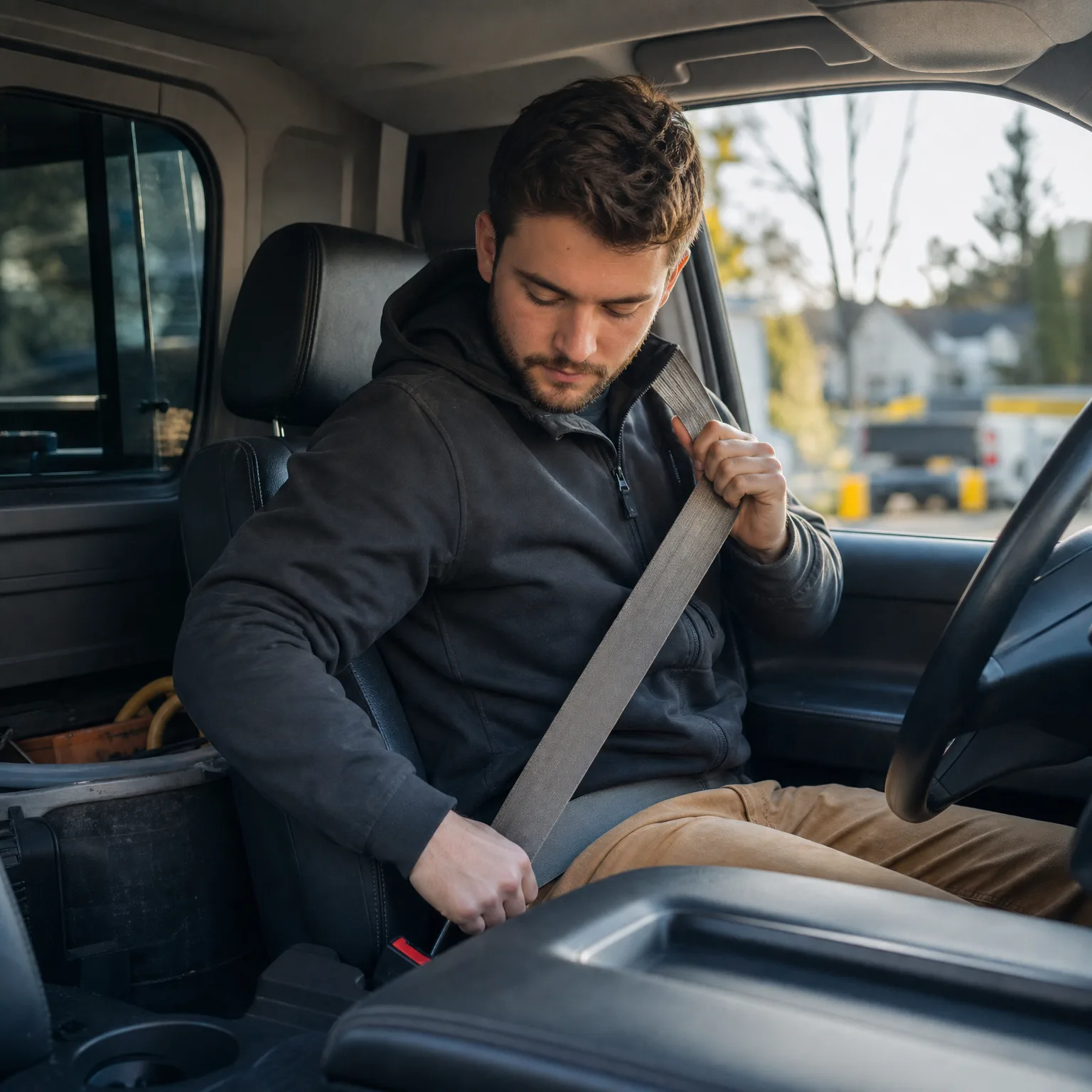

When Combining Policies Saves Money and When It Does Not
Combining two separate policies into one multi-car policy usually lowers the total premium, but not always. The multi-car discount reduces each vehicle's base premium, but if one vehicle or driver on the combined policy is significantly higher-risk than the others, the discount may not offset the increase in the base rate. A household with one clean-record driver and one driver with recent violations may pay more on a combined policy than on two separate policies, because the higher-risk driver raises the base rate for every vehicle.
The math depends on the base rate difference and the discount percentage. A smaller discount on a lower base rate can cost less than a larger discount on a higher base rate. If you are combining policies after marriage or a household move, compare the combined-policy quote against the sum of two separate quotes before canceling either policy. Farmers and other carriers will quote both scenarios.
Garaging address matters. Most carriers require every vehicle on a multi-car policy to be garaged at the same address, or at least in the same rating territory. If your household has vehicles garaged at two different New Jersey addresses, check whether Farmers will write them on one policy. Some carriers allow it; others require separate policies for vehicles garaged in different ZIP codes.
$35,000 / $70,000 / $25,000
New Jersey Liability Minimums
New Jersey requires $35,000 bodily injury per person, $70,000 per accident, and $25,000 property damage on every vehicle. These minimums apply to each car on a multi-car policy, and you can select higher limits.
New Jersey Motor Vehicle Commission
Adding a Vehicle Mid-Term to an Existing Farmers Policy
When you buy a new car or add a household member's vehicle to your existing Farmers policy, the carrier re-rates the entire policy effective the date you add the car. You do not pay a flat amount for the new vehicle; Farmers recalculates the premium for every vehicle on the policy, applies the multi-car discount to all of them, and prorates the change to your current term.
Most carriers give you a grace period to report a newly-purchased vehicle before coverage lapses. Farmers typically extends your existing policy's coverage to a new car for a limited window after purchase, but you must report the vehicle and add it to the policy within that window. If you do not report the car and file a claim, the carrier can deny coverage for the unreported vehicle. Check your policy documents or call Farmers to confirm the grace period length and reporting requirements.
Compare Farmers Against Other New Jersey Multi-Car Carriers
Seventeen carriers write multi-car policies in New Jersey, and the best choice depends on your household's vehicles, drivers, and coverage needs. Farmers is one option in the standard tier, but carriers like Geico, Progressive, State Farm, and Allstate also write New Jersey and offer multi-car discounts. The discount percentage, base rate, and same-policy requirements vary by carrier, and the only way to know which carrier saves your household the most is to compare quotes with the same coverage levels and vehicle count.
Request quotes from at least three carriers. Provide the same vehicle details, driver information, and coverage selections to each carrier so the quotes are comparable. Compare the total premium for all vehicles combined, not just the per-vehicle cost, because the multi-car discount applies differently across carriers. A carrier with a higher per-vehicle rate but a larger multi-car discount may cost less overall than a carrier with a lower base rate and a smaller discount.
New Jersey Coverage Requirements for Multi-Car Policies
New Jersey requires $35,000 bodily injury liability per person, $70,000 per accident, and $25,000 property damage liability on every registered vehicle. The state also mandates Personal Injury Protection and uninsured motorist coverage. When you add a vehicle to an existing Farmers policy, the new car must carry these minimums at a minimum, and you can select higher limits or add optional coverages like collision and comprehensive.
Adding a vehicle mid-term re-rates the entire policy, not just the new car. Farmers recalculates the premium for every vehicle on the policy when you add or remove a car, because the multi-car discount applies to all vehicles and the risk profile changes. This means your existing cars' premiums may drop when you add a second vehicle, or rise if the new car is higher-risk than the first.
Get Your Free Quote
Get My New Jersey Car Insurance QuoteFrequently Asked Questions
Does Farmers offer a multi-car discount in New Jersey?
Yes. Farmers offers a multi-car discount when you insure two or more vehicles on the same policy. The discount applies to each vehicle on the policy, and the percentage varies by household profile and coverage selections.
Can I combine two Farmers policies to get the multi-car discount?
Yes. If you and a household member each have separate Farmers policies, you can combine them into one multi-car policy to activate the discount. The discount requires all vehicles to sit on the same policy, not just the same carrier.
What happens to my premium when I add a second car to my Farmers policy?
Farmers re-rates the entire policy when you add a vehicle. The multi-car discount applies to all vehicles on the policy, so your existing car's premium may drop when you add the second car, and the total premium reflects the combined risk and discount.
Do all vehicles on a Farmers multi-car policy need to be garaged at the same address?
Most carriers require vehicles on a multi-car policy to be garaged at the same address or in the same rating territory. Check with Farmers if your household has vehicles garaged at two different New Jersey addresses.
How do I know if Farmers is the cheapest multi-car option in New Jersey?
Compare quotes from at least three carriers with the same vehicle details, driver information, and coverage levels. The total premium for all vehicles combined tells you which carrier costs less, because multi-car discount percentages and base rates vary by carrier.