
Minimum Liability Coverage Limits — New Jersey
Free to compare
What New Jersey Requires on Every Vehicle
You're structuring coverage across two or more vehicles and need to know exactly what New Jersey law requires on each one. The state mandates bodily injury liability of $35,000 per person and $70,000 per accident, plus $25,000 in property damage liability. Those are the liability minimums.
But New Jersey goes further than most states: personal injury protection (PIP) and uninsured motorist coverage are mandatory on every registered vehicle. You cannot decline them. When you add a second or third car to your policy, each vehicle carries the same mandatory coverage stack — liability, PIP, and uninsured motorist — which means the per-vehicle cost reflects more than just the liability baseline.
“New Jersey requires PIP and uninsured motorist coverage on every vehicle — you cannot decline them, even to minimize cost.”

Get More Than the New Jersey Minimum for Less
Get My New Jersey Car Insurance Quote$35,000 / $70,000 / $25,000
New Jersey Liability Minimums
Bodily injury per person, bodily injury per accident, and property damage per accident. These limits apply to every vehicle you register in New Jersey, whether it's your first car or your fourth.
New Jersey Motor Vehicle Commission
Why New Jersey Minimum Coverage Costs More Than You Expect
Most drivers think of minimum coverage as liability only. In New Jersey, that assumption breaks the moment you get a quote. The state requires PIP to cover your own medical expenses regardless of fault, and uninsured motorist coverage to protect you when the other driver has no insurance. Both are mandatory.
When you insure multiple vehicles, each car on the policy carries the full mandatory stack. A household with three cars pays for liability, PIP, and uninsured motorist coverage three times over. The multi-car discount reduces the total, but it applies to a higher baseline than states where PIP and uninsured motorist are optional.
This structure matters when you're deciding whether to add a third vehicle to an existing policy or start a separate one. The mandatory coverages mean the incremental cost of adding another car is higher in New Jersey than in states where minimum coverage truly means liability alone.
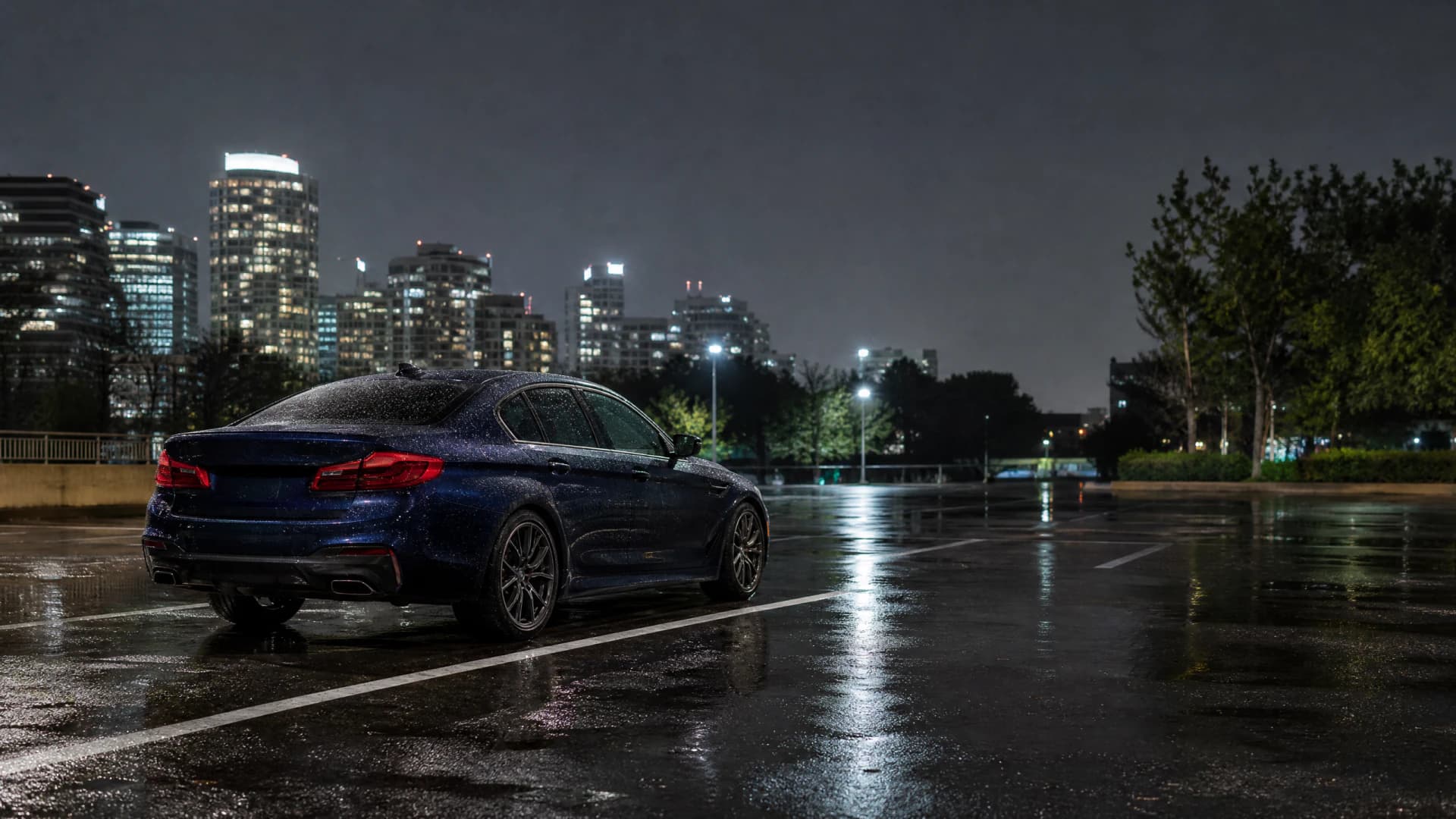
New Jersey's mandatory PIP and uninsured motorist requirements mean you cannot buy liability-only coverage, even if you want to minimize cost.
Related Articles




How the Multi-Car Discount Applies to Mandatory Coverage
The multi-car discount reduces the total premium when you insure two or more vehicles on the same policy. In New Jersey, that discount applies to the full mandatory coverage stack on each car — liability, PIP, and uninsured motorist combined. The percentage varies by carrier, but the discount typically increases as you add more vehicles.
The discount requires every vehicle to sit on the same policy. A car titled to a household member on a separate policy does not count toward the multi-car discount, even if both policies are with the same carrier. When you add a vehicle mid-term, the policy re-rates immediately to reflect the additional car and recalculates the discount across all vehicles.
Carriers writing in New Jersey include Allstate, Geico, Progressive, State Farm, Farmers, Liberty Mutual, Mercury General, National General, Root, Travelers, USAA, and New Jersey Manufacturers. Each applies the multi-car discount differently, and some carriers offer better rates for households with three or more vehicles. Comparing quotes across carriers that write your household's vehicle count gives you the clearest view of what minimum coverage actually costs.
14.1%
New Jersey Uninsured Motorist Rate
One in seven drivers in New Jersey carries no insurance. The state's mandatory uninsured motorist coverage protects you when the at-fault driver cannot pay, which happens more often than most households expect.
Insurance Research Council, 2023

When Minimum Coverage Makes Sense Across Multiple Vehicles
Minimum coverage works when every vehicle you insure is worth less than a few thousand dollars and you can afford to replace any of them out of pocket. If one car is totaled, you receive nothing from your own policy — liability, PIP, and uninsured motorist pay only for injuries and damage you cause or that others cause to you, not for your own vehicle damage.
Households with older vehicles often carry minimum coverage on every car to keep the total premium manageable. The mandatory PIP and uninsured motorist requirements mean you're already paying for injury protection; adding collision and comprehensive to cover vehicle damage raises the per-car cost significantly. If the collision premium exceeds 10% of the vehicle's value, most households drop it and self-insure the vehicle damage risk.
Compare Carriers That Write Your Vehicle Count
New Jersey's mandatory coverage structure means the carrier you choose matters more than in states where minimum coverage is liability only. Carriers price PIP and uninsured motorist coverage differently, and the multi-car discount varies by how many vehicles you insure. A carrier with a strong discount for three vehicles may price higher for two.
Request quotes from at least three carriers that write policies for households with your vehicle count. Provide the same coverage limits and vehicle details to each so the quotes reflect true rate differences, not coverage mismatches. The carrier with the lowest rate for one vehicle is not always the lowest for three. New Jersey's mandatory coverage requirements make the comparison more complex, but the savings from choosing the right carrier compound across every vehicle you add.
What Each Mandatory Coverage Actually Pays
Bodily injury liability pays the other driver's medical bills and lost wages when you cause an accident. The $35,000 per person limit covers one injured person; the $70,000 per accident limit is the total available when multiple people are hurt. Property damage liability covers the other driver's vehicle and any property you damage, up to $25,000. If the damage or injuries exceed your limits, you pay the difference out of pocket.
Personal injury protection covers your own medical expenses, lost wages, and essential services regardless of who caused the accident. New Jersey sets the minimum PIP benefit, and you can choose higher limits or add optional coverage for non-essential services. Uninsured motorist coverage pays your medical bills and lost wages when the at-fault driver has no insurance. New Jersey's 14.1% uninsured motorist rate means one in seven drivers you share the road with carries no coverage.
Get Your Free Quote
Get My New Jersey Car Insurance QuoteFrequently Asked Questions
Can I buy liability-only coverage in New Jersey?
No. New Jersey requires personal injury protection (PIP) and uninsured motorist coverage on every registered vehicle in addition to liability. You cannot decline these coverages, even if you want to minimize cost. Every vehicle you insure carries the full mandatory stack.
Does the multi-car discount apply to PIP and uninsured motorist coverage?
Yes. The multi-car discount applies to the total premium, which includes liability, PIP, and uninsured motorist coverage combined. The discount typically increases as you add more vehicles to the same policy, but every vehicle must sit on one policy to qualify.
What happens if I add a third vehicle to my New Jersey policy?
The policy re-rates immediately to reflect the additional vehicle and recalculates the multi-car discount across all three cars. The incremental cost includes liability, PIP, and uninsured motorist coverage for the new vehicle. Request a quote before adding the car so you know the total premium change.
Do I need collision and comprehensive coverage on every vehicle?
No. Collision and comprehensive are optional in New Jersey. If your vehicle is worth less than a few thousand dollars, many households drop these coverages and carry only the state-required liability, PIP, and uninsured motorist stack to keep the per-vehicle cost lower.
Can I insure two vehicles on separate policies and still get the multi-car discount?
No. The multi-car discount requires every vehicle to sit on the same policy. A car titled to a household member on a separate policy does not count toward the discount, even if both policies are with the same carrier.
Which carriers write multi-car policies in New Jersey?
Carriers writing in New Jersey include Allstate, Geico, Progressive, State Farm, Farmers, Liberty Mutual, Mercury General, National General, Root, Travelers, USAA, and New Jersey Manufacturers. Each applies the multi-car discount differently, so compare quotes from at least three carriers that write your household's vehicle count.