
Multi-Car Insurance — New Jersey
Free to compare
When Adding a Second Vehicle Triggers a Policy Re-Rate
You bought a second car, called your carrier to add it to your existing New Jersey auto policy, and the premium jumped more than you expected. The increase wasn't just the cost of insuring one more vehicle—it was a full re-rating of your entire policy, because New Jersey's mandatory coverage structure applies per vehicle, not per policy. Every car you add must carry its own Personal Injury Protection and uninsured-motorist coverage, and those requirements reset the policy's base calculation.
This article walks through how New Jersey's mandatory-coverage rules interact with multi-car policies, what the multi-car discount actually requires, and how to structure coverage across two or more vehicles without overpaying or leaving a gap that surfaces at claim time.
“The multi-car discount does not apply to New Jersey's mandatory PIP and uninsured-motorist charges—those stack per vehicle.”

Get More Than the New Jersey Minimum for Less
Get My New Jersey Car Insurance Quote$35,000 / $70,000 / $25,000
New Jersey Minimum Liability
New Jersey requires $35,000 bodily injury per person, $70,000 per accident, and $25,000 property damage on every registered vehicle. PIP and uninsured-motorist coverage are also mandatory, and both apply per vehicle, not per policy.
New Jersey Motor Vehicle Commission
New Jersey Requires PIP and UM on Every Vehicle
New Jersey is one of the few states that mandates both Personal Injury Protection and uninsured-motorist coverage on every auto policy. These are not optional add-ons—they are statutory requirements that apply to each vehicle you register. When you add a second or third car to your policy, the carrier must extend PIP and UM to that vehicle, and the premium reflects the additional exposure.
The multi-car discount applies to the liability and physical-damage portions of your premium, but it does not reduce the mandatory PIP and UM charges. Those charges are calculated per vehicle, and they stack. A household insuring three cars pays PIP and UM three times, once for each vehicle, even though all three sit on the same policy.
This structure is why adding a vehicle to an existing New Jersey policy produces a larger premium increase than drivers in other states see. The discount saves money on liability and collision, but the mandatory coverages are non-negotiable and non-discountable.
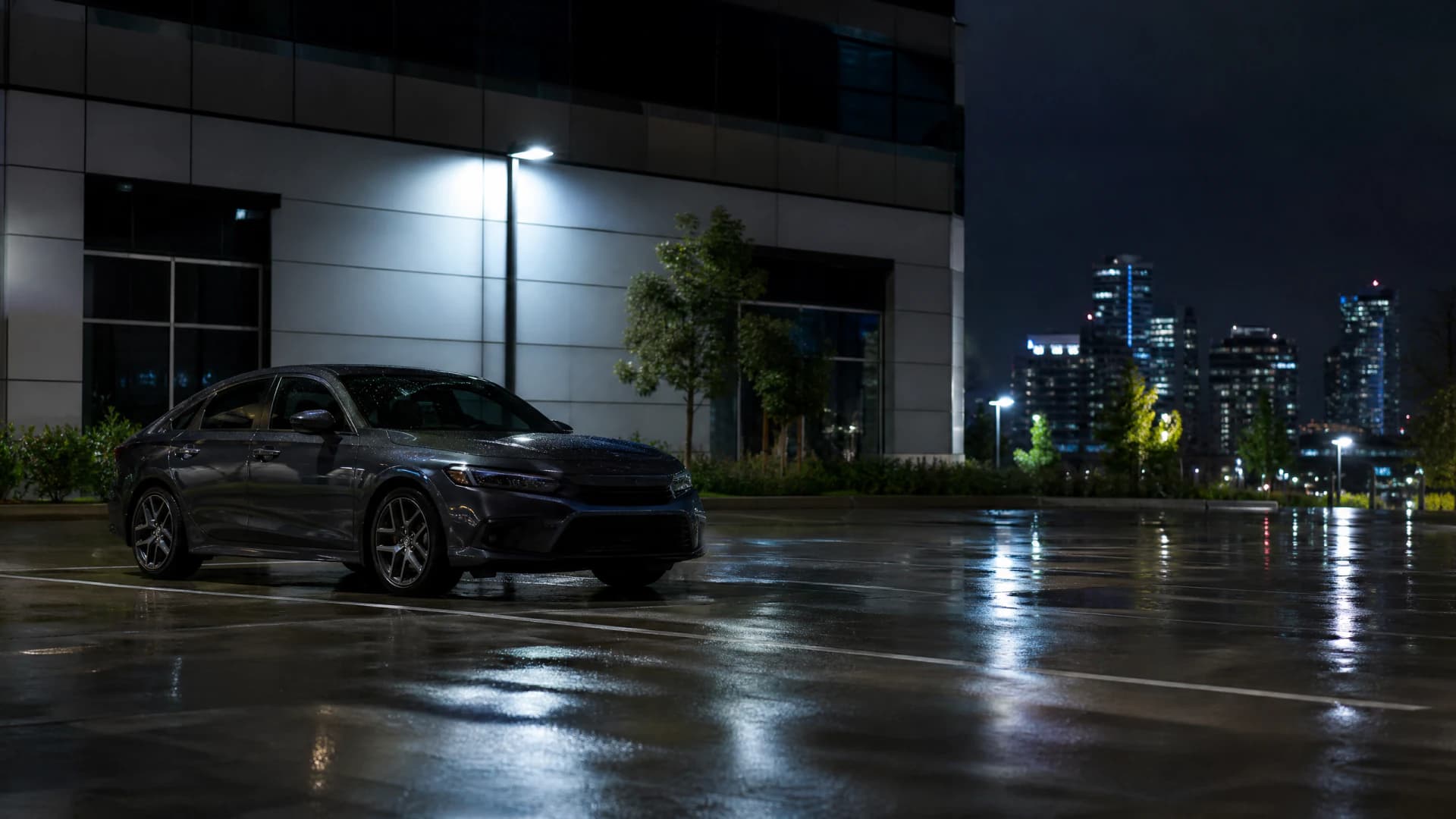
The multi-car discount does not apply to New Jersey's mandatory PIP and uninsured-motorist charges—those stack per vehicle, and you pay them in full for every car on the policy.
Related Articles






What Happens When You Add a Vehicle Mid-Term
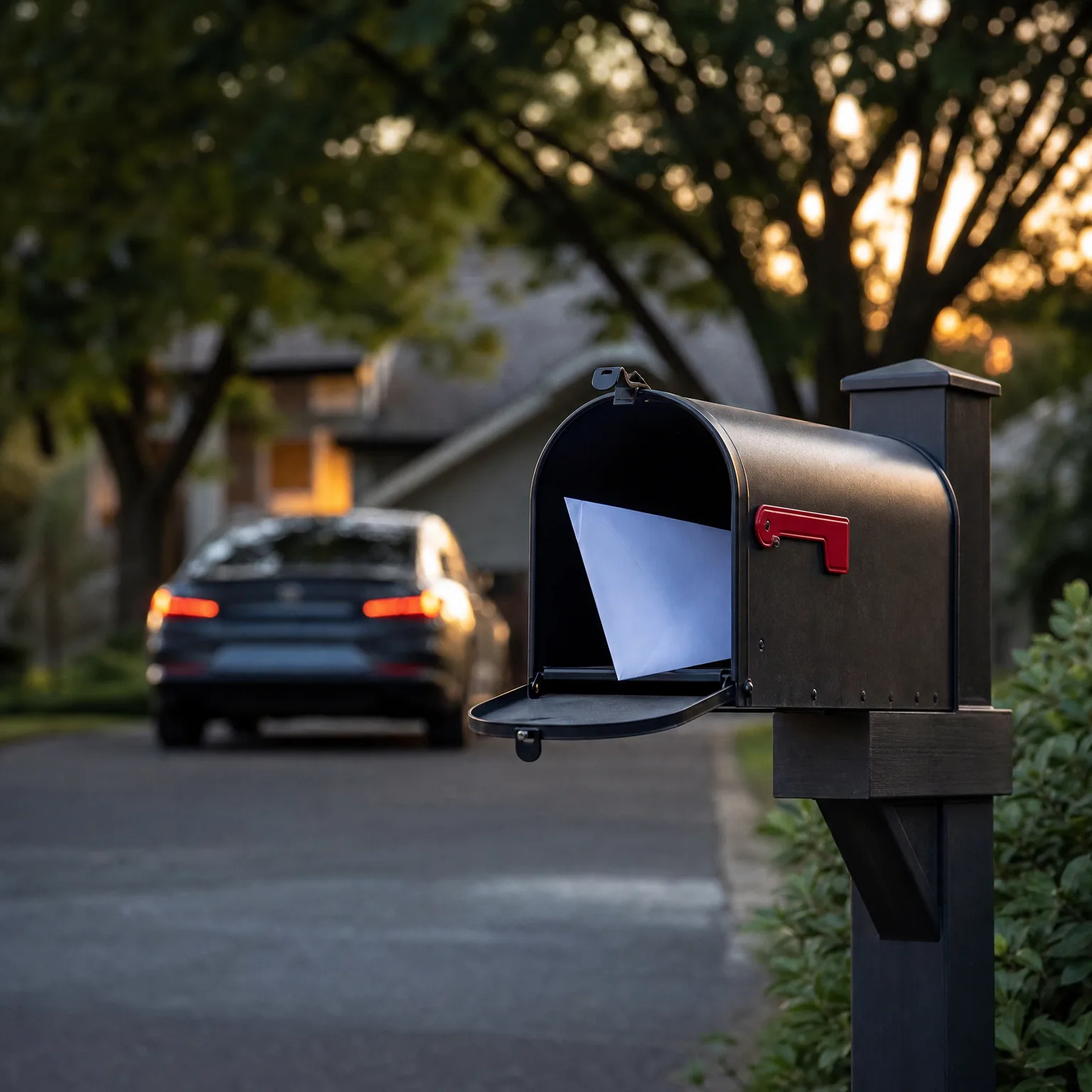
Adding a vehicle to your New Jersey policy mid-term triggers a policy re-rating, not a simple pro-rated addition. The carrier recalculates your premium based on the new vehicle count, applies the multi-car discount to the updated vehicle roster, and adjusts your payment schedule for the remainder of the term. If you previously insured one car and now insure two, the discount kicks in for the first time, and your per-vehicle cost drops—but the total premium still rises because you are now covering two vehicles with mandatory PIP and UM on both.
Most carriers give you a grace period to report the new vehicle—typically 14 to 30 days from the date of purchase or title transfer. If you do not report the vehicle within that window, coverage may not extend to the new car, and a claim filed after the grace period can be denied. The grace period is a carrier-specific policy provision, not a New Jersey statutory requirement, so confirm your carrier's window before you buy.
When you add a vehicle, bring the VIN, title or registration, and the garaging address. If the new car will be garaged at a different address than your existing vehicle, tell the carrier immediately—garaging location affects your premium and your eligibility for the multi-car discount.
18 carriers
New Jersey Multi-Car Carriers
Eighteen carriers write multi-vehicle policies in New Jersey, including Allstate, Geico, Progressive, State Farm, and Farmers. Not all carriers offer the same discount structure or the same grace period for adding vehicles mid-term, so compare quotes with your current vehicle count and the vehicles you plan to add.

Combining Two Policies After Marriage or a Move
When two household members each carry their own auto policy and then marry or move in together, combining those policies onto one multi-car policy usually lowers the total premium—but not always. The combined policy applies the multi-car discount to every vehicle, but it also re-rates both drivers based on the household's combined driving history, and it stacks PIP and UM charges for every vehicle. If one driver has a clean record and the other has recent violations or claims, the combined policy may price higher than keeping the policies separate.
New Jersey carriers typically require that all household members with a driver's license be listed on the policy, either as rated drivers or as excluded drivers. If you exclude a household member, that person cannot drive any vehicle on the policy, and a claim involving that driver will be denied. Excluding a high-risk driver can lower your premium, but it removes coverage for that person entirely—there is no middle ground.
Compare Carriers That Write Your Household Structure
Not every carrier writes multi-car policies the same way. Some carriers cap the multi-car discount at three vehicles; others extend it to four or more. Some carriers allow one vehicle to be garaged at a second address if the primary garaging location is the same for the rest; others require every vehicle to share the same address. Some carriers offer a larger discount when you bundle auto and home; others price multi-car policies competitively without requiring a bundle. The only way to know which carrier fits your household is to compare quotes with your actual vehicle count, garaging addresses, and driver roster.
When you compare, provide the VIN, garaging address, and annual mileage for every vehicle, and list every household member with a driver's license. Incomplete information produces an inaccurate quote, and the carrier will re-rate the policy when you bind if the actual vehicle or driver count differs from what you provided. Use the site's comparison tool to see which carriers write policies for households with your vehicle count and structure, and request quotes from at least three carriers that do.
How the Multi-Car Discount Works in New Jersey
Most carriers writing in New Jersey offer a multi-car discount when you insure two or more vehicles on one policy. The discount applies to the liability, collision, and comprehensive portions of your premium—not to PIP or uninsured-motorist coverage, which are mandatory and calculated separately. The discount typically requires that every vehicle on the policy be titled to the same person or household members living at the same address, and that all vehicles share the same garaging location.
If you own two cars but one is titled to a household member on a different policy, or if one car is garaged at a second address, the same-policy discount may not apply. Some carriers allow exceptions for college students or military members temporarily stationed elsewhere, but those exceptions are carrier-specific and require documentation. When you add a vehicle mid-term, the carrier re-rates the entire policy rather than simply adding a flat amount, because the discount percentage changes with the number of vehicles.
Get Your Free Quote
Get My New Jersey Car Insurance QuoteFrequently Asked Questions
Does New Jersey require insurance on every vehicle I own?
Yes. New Jersey requires liability, PIP, and uninsured-motorist coverage on every registered vehicle. If you own multiple cars, each must carry its own coverage, even if only one is driven regularly.
Can I insure two cars on one policy if they are garaged at different addresses?
It depends on the carrier. Most New Jersey carriers require all vehicles on a multi-car policy to share the same garaging address to qualify for the multi-car discount. Some allow exceptions for college students or military members, but you must provide documentation.
How long do I have to add a newly purchased vehicle to my policy?
Most carriers give you 14 to 30 days from the purchase date to report a new vehicle. If you miss that window, coverage may not extend to the new car, and a claim can be denied. Confirm your carrier's grace period before you buy.
Will combining two policies after marriage always save money?
Not always. Combining policies applies the multi-car discount, but it also re-rates both drivers based on the household's combined driving history. If one driver has recent violations or claims, the combined policy may cost more than keeping the policies separate.
Do I pay PIP and uninsured-motorist coverage twice if I insure two cars?
Yes. New Jersey's mandatory PIP and uninsured-motorist coverage apply per vehicle, not per policy. If you insure three cars, you pay PIP and UM three times, once for each vehicle, even though all three sit on the same policy.
Can I exclude a household member from my policy to lower my premium?
Yes, but that person cannot drive any vehicle on the policy. If an excluded driver operates a vehicle on your policy and files a claim, the carrier will deny it. Exclusion removes coverage entirely—it is not a partial restriction.