
Lower Your Car Insurance Rate — New Jersey
Free to compare
Why Your Multi-Car Premium Keeps Rising
You added a second car to your household and your premium jumped more than you expected. You added a third and it jumped again. Each vehicle brings New Jersey's mandatory coverage stack: $35,000 per person and $70,000 per accident in bodily injury liability, $25,000 in property damage, personal injury protection, and uninsured motorist coverage. That's the floor for every car you register, and it compounds across a multi-vehicle household.
Most households assume adding a car simply adds a flat amount to the existing premium. That's not how multi-car policies work. Every vehicle on the policy re-rates the entire policy when you add or remove a car, and the multi-car discount only applies when every vehicle sits on the same policy under the same named insured. Split your cars across two policies or title one to a household member on a separate policy, and you lose the discount entirely.
“Split your cars across two policies and the multi-car discount disappears — one shared policy is the only structure that qualifies.”

Get More Than the New Jersey Minimum for Less
Get My New Jersey Car Insurance Quote$986.84
NJ Average Annual Auto Expenditure
New Jersey drivers spent an average of $986.84 per insured vehicle in 2023, one of the higher state averages nationally. Mandatory PIP and uninsured-motorist coverage drive the base cost up before you add collision or comprehensive.
NAIC Auto Insurance Database Report 2023
The Multi-Car Discount Requires One Shared Policy
The multi-car discount is not automatic. It applies only when every vehicle in the household sits on one policy, titled to the same named insured or household members listed on that policy, and typically garaged at the same address. If you and your spouse each maintain separate policies, you're paying two base premiums with no discount. If your teenager's car is titled in their name on a separate policy, same result.
Carriers writing in New Jersey — Allstate, Geico, Progressive, State Farm, Farmers, and others — all structure the multi-car discount this way. The discount reduces the per-vehicle premium when you insure multiple cars together, but only when the policy structure meets the same-policy requirement. Adding a vehicle mid-term re-rates the entire policy rather than simply appending a flat charge, so timing matters.
New Jersey's 14.1% uninsured motorist rate makes uninsured-motorist coverage mandatory on every policy. That coverage stacks across vehicles when you insure multiple cars on one policy, but you pay for it per vehicle. The multi-car discount offsets some of that cost, but only when the structure is correct.
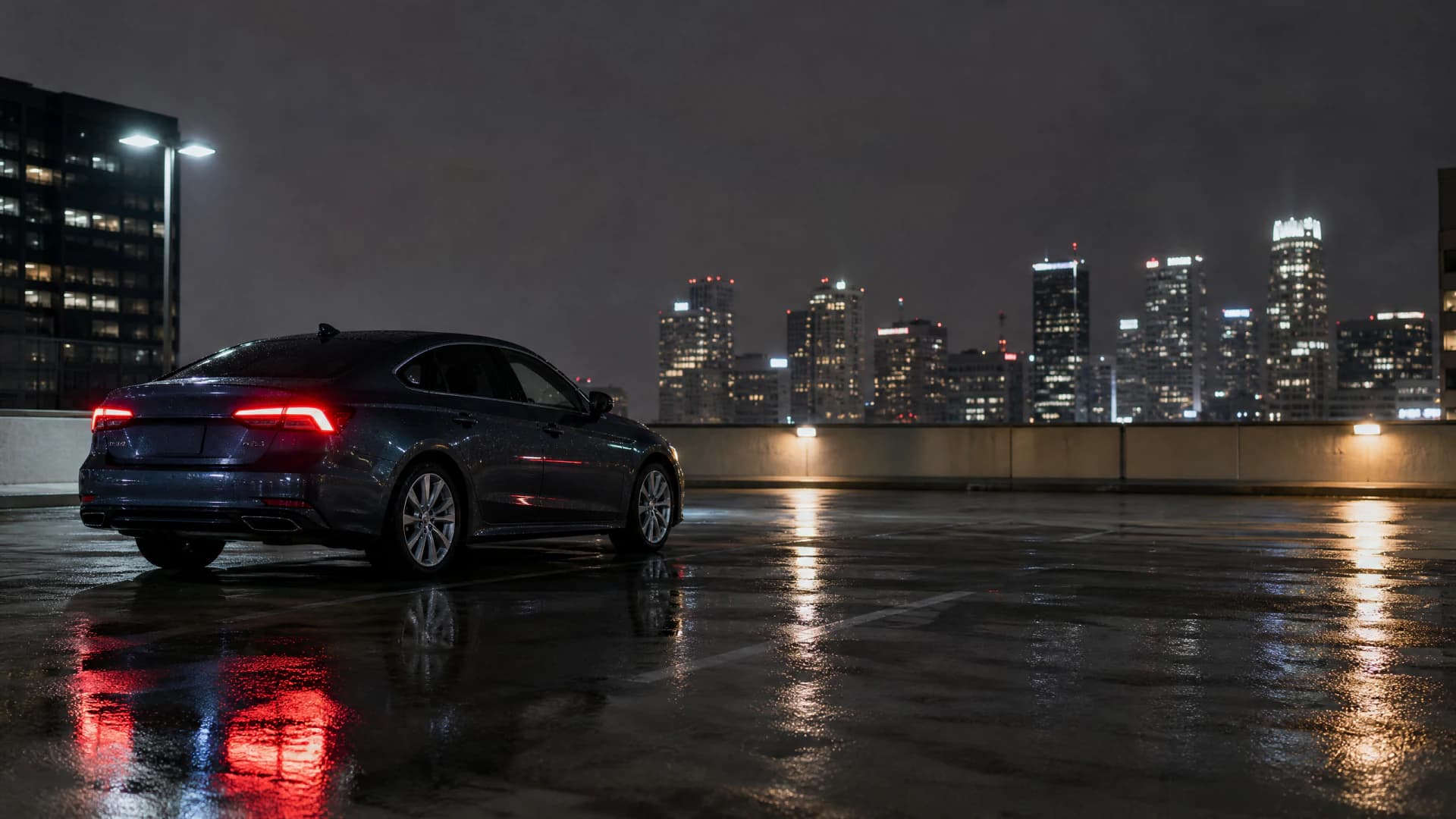
Split your cars across two policies or title one to a household member on a separate policy, and the multi-car discount disappears. One shared policy is the only structure that qualifies.



Drop Collision and Comprehensive on Older Vehicles
Collision and comprehensive coverage are optional in New Jersey. The state requires liability, PIP, and uninsured motorist, but it does not require you to insure your own vehicle's damage. If you're driving an older car worth less than a few thousand dollars, collision and comprehensive premiums often exceed what you'd recover in a total-loss claim after the deductible.
A $500 or $1,000 deductible is standard. If you've been paying collision and comprehensive premiums for years, you may have already paid more in premiums than the vehicle is worth. Dropping those coverages on older vehicles and keeping only the state-required liability, PIP, and uninsured motorist lowers your premium immediately.
This decision applies per vehicle. If you own three cars and one is ten years old, drop collision and comprehensive on that car and keep full coverage on the newer two. The multi-car discount still applies to all three vehicles as long as they sit on the same policy. You're just paying for fewer coverages on the older car.
17 carriers
NJ Multi-Car Carrier Roster
Seventeen carriers write multi-vehicle policies in New Jersey, including Allstate, Geico, Progressive, State Farm, Farmers, Liberty Mutual, Nationwide, Travelers, and USAA. Each structures the multi-car discount differently, so comparing quotes across carriers is the only way to find the lowest rate for your household's vehicles.
New Jersey carrier roster

Raise Your Deductibles on Collision and Comprehensive
Deductibles are the amount you pay out of pocket before the carrier pays a claim. A $500 deductible means you pay the first $500 of damage; the carrier pays the rest. A $1,000 deductible means you pay the first $1,000. Higher deductibles lower your premium because the carrier's risk is smaller.
If you can afford to pay $1,000 out of pocket in the event of a claim, raising your deductible from $500 to $1,000 lowers your collision and comprehensive premiums. The savings compound across multiple vehicles. If you're insuring three cars with collision and comprehensive, raising the deductible on all three cuts the premium on every vehicle. The multi-car discount applies on top of that.
This is a trade-off. You pay less every month, but you pay more if you file a claim. If you rarely file claims and you have savings to cover the deductible, the lower premium saves you money over time. If you file claims frequently or you cannot afford a $1,000 deductible, keep the $500 deductible and accept the higher premium.
Compare Carriers That Write Multi-Car Policies in New Jersey
The multi-car discount varies by carrier. One carrier may offer a larger discount on a higher base rate; another may offer a smaller discount on a lower base rate. The only way to know which combination produces the lowest total premium for your household is to compare quotes from multiple carriers writing in New Jersey. Allstate, Geico, Progressive, State Farm, Farmers, Mercury General, National General, Root, Liberty Mutual, Nationwide, Travelers, and USAA all write multi-vehicle policies in the state, and each prices your household's vehicles differently based on driving records, garaging address, and vehicle types.
New Jersey's mandatory PIP and uninsured-motorist requirements mean every carrier starts with the same coverage floor, but the premium for that floor varies. A household with three vehicles garaged in Newark will see different rates than the same household garaged in Princeton, even with identical coverage. Compare at least three carriers to find the structure that fits your household's vehicles and drivers.

Structure Your Policy to Capture the Discount
The path forward is structural. Put every vehicle you own on one shared policy under one named insured. If you and your spouse each have a policy, combine them. If your teenager's car is on a separate policy, move it to the family policy. If you're adding a newly-purchased vehicle, add it to the existing policy within the carrier's grace window rather than starting a new policy. That structure triggers the multi-car discount and eliminates duplicate base premiums.
Once the structure is correct, compare carriers. Use the site's comparison tool to request quotes from carriers writing multi-vehicle policies in New Jersey. Provide accurate information about every vehicle, every driver, and your garaging address. The quotes you receive will reflect the multi-car discount each carrier offers for your specific household. Choose the carrier that delivers the lowest total premium for the coverage you need, then structure your deductibles and optional coverages to fit your budget and risk tolerance.
Combine Policies After Marriage or a Move
When you marry or move in with a partner, each of you may arrive with an existing auto policy covering your own vehicle. Carriers treat this as two separate policies with two base premiums and no multi-car discount. Combining the policies puts both vehicles on one shared policy under one named insured, which triggers the multi-car discount and eliminates the duplicate base premium. Most households save by combining, but the savings depend on each driver's record and the vehicles involved.
If one spouse has a DUI, multiple points, or a recent at-fault accident, adding them to the other spouse's policy can raise the premium more than the multi-car discount offsets. In that case, keeping two policies may cost less in the short term. Compare quotes for both structures before you commit. New Jersey does not require spouses to share one policy, so you have the option to keep them separate if the combined rate is higher.
Get Your Free Quote
Get My New Jersey Car Insurance QuoteFrequently Asked Questions
Does New Jersey require the same coverage on every car I own?
Yes. New Jersey requires $35,000 per person and $70,000 per accident in bodily injury liability, $25,000 in property damage, personal injury protection, and uninsured motorist coverage on every registered vehicle. You can drop collision and comprehensive on older cars, but the state-mandated coverages apply to every car you register.
Can I insure two cars on separate policies and still get the multi-car discount?
No. The multi-car discount applies only when every vehicle sits on one shared policy under the same named insured. If you split your cars across two policies, each policy pays a separate base premium with no discount.
What happens to my premium when I add a third car to my policy?
Adding a vehicle re-rates your entire policy rather than simply adding a flat amount. The multi-car discount applies to all three vehicles, but the total premium reflects the combined risk of insuring three cars. The increase depends on the new vehicle's value, your driving record, and your garaging address.
Probably not. If you've paid collision premiums for years, you may have already paid more than the vehicle is worth. Drop collision and comprehensive and keep only the state-required liability, PIP, and uninsured motorist.
How much does raising my deductible lower my premium?
The savings depend on your carrier, your vehicles, and your current deductible. Raising a deductible from $500 to $1,000 typically lowers collision and comprehensive premiums, and the savings compound across multiple vehicles. Compare quotes with both deductible levels to see the exact difference for your household.
Do I have to insure my spouse's car on my policy?
No. New Jersey does not require spouses to share one policy. If one spouse has a poor driving record and adding them to the other spouse's policy raises the premium more than the multi-car discount offsets, keeping two separate policies may cost less. Compare quotes for both structures before you decide.