
Cheap Full Coverage Car Insurance — New Jersey
Free to compare
Full Coverage for Multiple Cars in New Jersey
You own two or more vehicles in New Jersey and need full coverage on each — liability, collision, comprehensive, plus the state's mandatory personal injury protection and uninsured motorist coverage. You want to keep premiums manageable without leaving gaps in protection across your household's cars.
Full coverage in New Jersey costs more than the state minimum because you are adding collision and comprehensive on top of the mandatory liability, PIP, and uninsured motorist base. But combining multiple vehicles on one policy unlocks multi-vehicle discounts that lower the per-car premium. Most households miss this structure and overpay by insuring each car separately or splitting vehicles across policies.
“The multi-vehicle discount applies only when every car sits on the same policy.”

Get More Than the New Jersey Minimum for Less
Get My New Jersey Car Insurance Quote$35,000/$70,000/$25,000
New Jersey Minimum Liability
New Jersey requires $35,000 bodily injury per person, $70,000 bodily injury per accident, and $25,000 property damage. PIP and uninsured motorist coverage are also mandatory on every registered vehicle.
New Jersey Motor Vehicle Commission
What Full Coverage Actually Includes in New Jersey
Full coverage is not a single product. It is the combination of liability, collision, comprehensive, PIP, and uninsured motorist coverage. Liability pays for damage you cause to others. Collision pays for damage to your car in an accident regardless of fault. Comprehensive pays for damage from theft, weather, vandalism, or animal strikes. PIP pays your medical bills and lost wages after an accident regardless of fault. Uninsured motorist coverage pays when the other driver has no insurance or insufficient coverage.
New Jersey mandates liability at $35,000/$70,000/$25,000 minimums, plus PIP and uninsured motorist coverage. Those three are required to register any vehicle. Collision and comprehensive are optional, but lenders require them on financed or leased vehicles. When you own multiple cars, you decide whether to carry collision and comprehensive on each vehicle or only on the financed ones.
The state does not use SR-22 or any equivalent certificate. New Jersey enforces mandatory insurance through registration and insurance verification at the Motor Vehicle Commission, not through insurer-filed certificates.
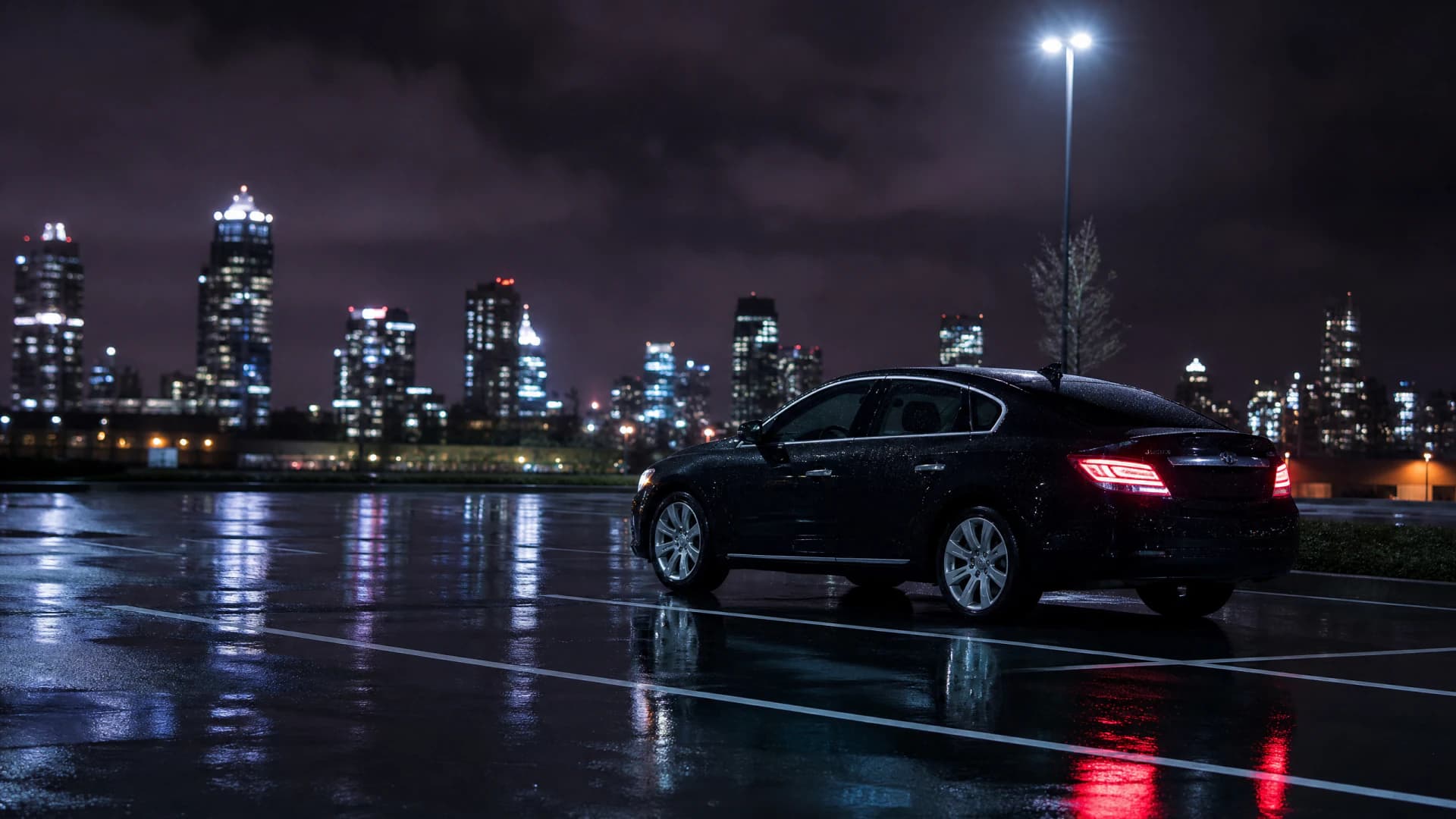
Most households overpay by insuring each car separately. The multi-vehicle discount applies only when every car sits on the same policy.





Choosing Deductibles Across Multiple Vehicles
Collision and comprehensive each carry a deductible — the amount you pay out of pocket before the carrier pays a claim. Common deductibles are $500 or $1,000. A higher deductible lowers your premium; a lower deductible means you pay less at claim time.
When you insure multiple vehicles, you choose a deductible for each car. You do not have to use the same deductible on every vehicle. A newer financed car might carry a $500 deductible because you cannot afford a $1,000 out-of-pocket expense if it is totaled. An older paid-off car might carry a $1,000 deductible or drop collision and comprehensive entirely if the vehicle's value is low enough that paying out of pocket for repairs costs less than the annual premium.
A conventional rule of thumb: if the vehicle's market value is less than ten times the annual collision and comprehensive premium, consider dropping those coverages and carrying only the state-required liability, PIP, and uninsured motorist. That threshold varies by household budget and risk tolerance, but it frames the decision around your own asset value rather than an invented savings percentage.
17 carriers
New Jersey Multi-Car Carriers
Seventeen carriers write auto insurance in New Jersey, including Allstate, Bristol West, Farmers, Geico, Mercury General, National General, New Jersey Manufacturers, Progressive, Root, and State Farm. Each offers multi-vehicle policies with varying discount structures.
New Jersey Department of Banking and Insurance carrier roster

Adding or Removing a Vehicle Mid-Term
When you buy a new car or sell an existing one, the carrier re-rates the policy immediately. Adding a vehicle mid-term does not simply add a flat monthly amount to your bill. The carrier recalculates the total premium with the new vehicle included, applies the multi-vehicle discount to the updated vehicle count, and prorates the change to your next renewal.
Most carriers give you a grace period to report a newly purchased vehicle — typically 14 to 30 days. During that window, the new car is covered under your existing policy's collision and comprehensive limits if those coverages are already on the policy. After the grace period expires, an unreported vehicle can be denied at claim time. Verify your carrier's specific grace period and report the new vehicle within that window to avoid a coverage gap.
Compare Carriers Writing Your Household's Vehicles
Full coverage premiums vary by carrier, vehicle, driving history, garaging address, and coverage selections. A carrier offering the lowest rate on a single vehicle may not offer the lowest rate on a multi-vehicle policy. The only way to know which carrier prices your household's specific situation lowest is to compare quotes with every vehicle, every driver, and every coverage selection identical across carriers.
Request quotes from at least three carriers writing multi-vehicle policies in New Jersey. Provide the same vehicle details, driver information, coverage limits, and deductibles to each carrier. Compare the total annual premium and the per-vehicle breakdown. The carrier with the lowest total premium after the multi-vehicle discount is applied is the one that prices your household's risk profile most competitively. Use the New Jersey car insurance requirements page to confirm you meet the state's mandatory liability, PIP, and uninsured motorist minimums before finalizing coverage.
How Multi-Vehicle Discounts Lower Full Coverage Premiums
The multi-vehicle discount typically requires every vehicle to sit on the same policy and share a garaging address. A vehicle titled to a household member on a separate policy does not count toward the discount. When you add a second or third car to an existing policy, the carrier re-rates the entire policy with the discount applied, lowering the per-vehicle premium across all cars.
Carriers writing multi-vehicle policies in New Jersey include Allstate, Farmers, Geico, Liberty Mutual, Mercury General, National General, Progressive, Root, State Farm, and Travelers. Each carrier structures the multi-vehicle discount differently. Some apply a flat percentage to the total premium; others reduce the base rate per vehicle. Comparing quotes from multiple carriers on a multi-vehicle policy shows the actual per-car cost after the discount.
Get Your Free Quote
Get My New Jersey Car Insurance QuoteFrequently Asked Questions
What is the cheapest full coverage car insurance in New Jersey?
The cheapest full coverage carrier varies by household. Geico, Progressive, State Farm, and New Jersey Manufacturers often quote competitively for multi-vehicle policies, but the lowest rate depends on your vehicles, drivers, and garaging address. Compare quotes from at least three carriers with identical coverage selections to find the lowest total premium for your household.
Does New Jersey require full coverage car insurance?
New Jersey requires liability at $35,000/$70,000/$25,000 minimums, plus PIP and uninsured motorist coverage. Collision and comprehensive are optional unless your lender requires them. Full coverage refers to carrying all five components together, not a state mandate.
How much does full coverage cost for two cars in New Jersey?
Full coverage premiums vary by vehicle, driver, coverage limits, deductibles, and garaging address. Combining two cars on one policy unlocks a multi-vehicle discount that lowers the per-car premium. Compare quotes from multiple carriers to see the actual cost for your household's specific situation.
Can I get full coverage on one car and liability only on another?
Yes. You choose collision and comprehensive coverage separately for each vehicle on your policy. A financed car typically requires full coverage, while a paid-off older car may carry only the state-required liability, PIP, and uninsured motorist coverage. Both vehicles can sit on the same policy with different coverage levels.
What is a multi-vehicle discount in New Jersey?
A multi-vehicle discount lowers your total premium when you insure two or more cars on the same policy. The discount applies to the entire policy, reducing the per-car cost. Most carriers require every vehicle to share a garaging address and sit on the same policy to qualify.
Do I need uninsured motorist coverage in New Jersey?
Yes. New Jersey mandates uninsured motorist coverage on every registered vehicle. It pays for your injuries and vehicle damage when the other driver has no insurance or insufficient coverage. The requirement applies whether you carry full coverage or the state minimum.
How do I add a car to my existing New Jersey policy?
Contact your carrier and provide the new vehicle's VIN, make, model, year, and garaging address. The carrier re-rates your policy with the new vehicle included, applies the multi-vehicle discount, and prorates the premium change to your next renewal. Most carriers give you 14 to 30 days to report a newly purchased vehicle.