
Transferring Car Insurance to New Jersey — Multi-Vehicle Households
Free to compare
Your Multi-Car Policy Does Not Simply Transfer to New Jersey
You are moving to New Jersey with two or more vehicles currently insured on one policy in another state. Your carrier may write in New Jersey, but your existing policy does not transfer intact. New Jersey mandates liability minimums of $35,000 per person, $70,000 per accident, and $25,000 property damage, plus Personal Injury Protection and uninsured motorist coverage on every registered vehicle. Your current policy almost certainly does not meet all five requirements, which means the carrier must rewrite the policy under New Jersey rules, re-rate every vehicle, and recalculate the multi-car discount under state-specific underwriting.
The question is not whether your policy transfers — it does not. The question is whether keeping your current carrier and combining all vehicles on one New Jersey policy still delivers the multi-car discount you had before, or whether New Jersey's mandatory coverage structure erases the savings. The answer depends on how your carrier prices PIP and uninsured-motorist coverage across multiple vehicles, and whether the state's higher minimums push you into a different underwriting tier.
“The multi-car discount applies to the total premium after PIP and UM are added — if mandatory coverage adds more than the discount removes, your premium rises.”

Get More Than the New Jersey Minimum for Less
Get My New Jersey Car Insurance Quote$35,000/$70,000/$25,000
New Jersey Liability Minimums
New Jersey requires bodily injury liability of $35,000 per person and $70,000 per accident, plus $25,000 property damage liability. Every vehicle registered in the state must meet these minimums, and both PIP and uninsured motorist coverage are mandatory on top of liability.
New Jersey Motor Vehicle Commission
New Jersey Requires PIP and Uninsured Motorist Coverage on Every Vehicle
New Jersey is one of twelve states that mandate Personal Injury Protection, which pays your medical expenses and lost wages regardless of fault. PIP is not optional. Uninsured motorist coverage is also mandatory, protecting you when the at-fault driver carries no insurance. Both coverages apply per vehicle, not per policy, which means a household with three cars pays PIP and UM premiums on all three.
If your previous state did not require PIP or uninsured motorist coverage, your current policy does not include them. When you register your vehicles in New Jersey, the carrier must add both coverages to every car. This is not an upgrade you can decline. The Chief Administrator of the New Jersey Motor Vehicle Commission enforces mandatory insurance through registration and insurance verification, and a vehicle without PIP and UM coverage cannot be registered.
The multi-car discount applies to the total premium after PIP and UM are added. If PIP and UM together add more to the base premium than the multi-car discount removes, your combined premium may rise even though you are insuring the same number of vehicles on one policy. The discount is a percentage off the total; the total just grew.
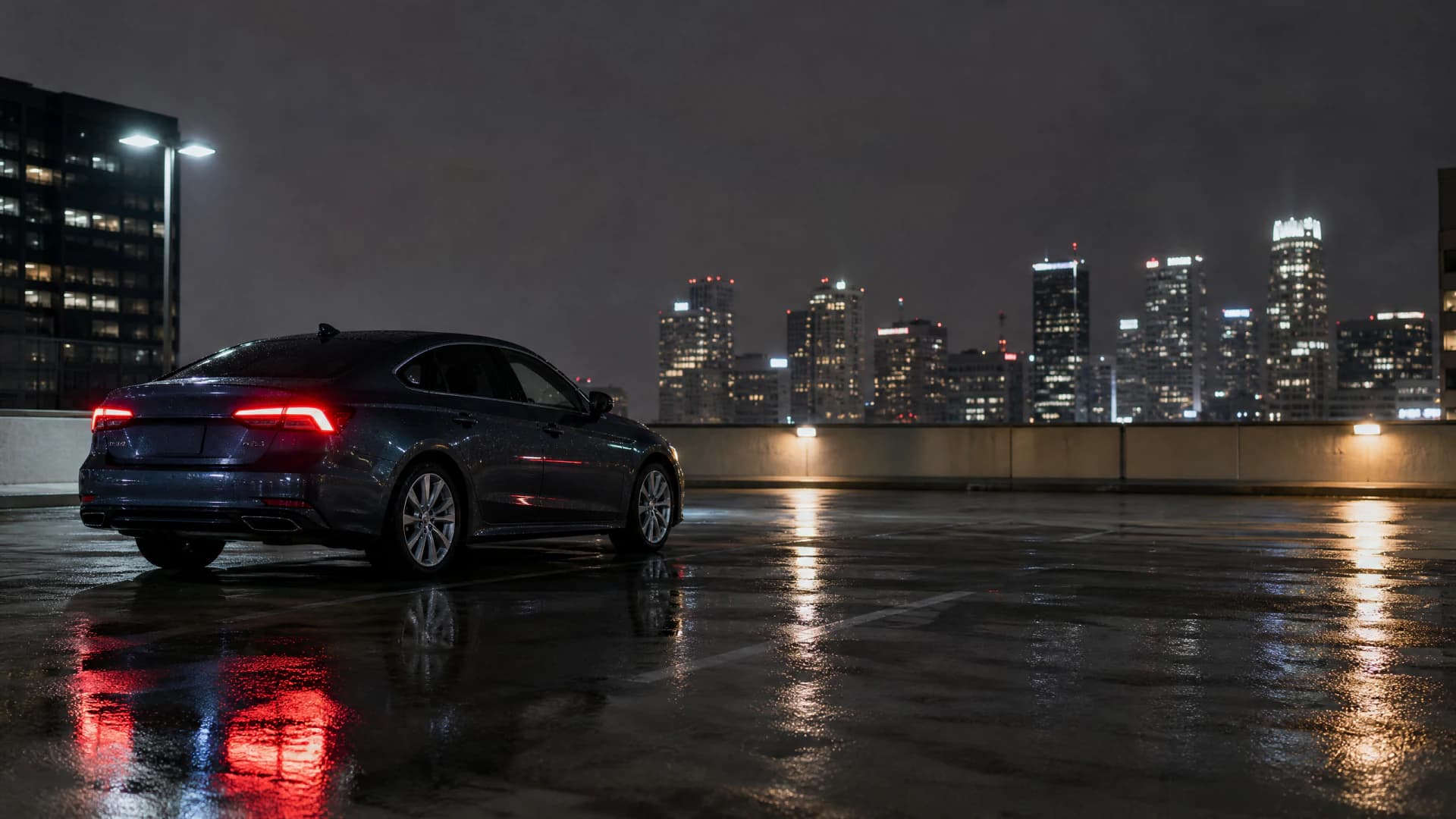
Your carrier must rewrite the policy under New Jersey rules. The multi-car discount does not carry forward from your previous state — it resets under New Jersey underwriting.
Related Articles






Which Carriers Write Multi-Car Policies in New Jersey
Seventeen carriers in the injected roster write auto insurance in New Jersey. Not all write multi-car policies competitively. State Farm, Allstate, Geico, Progressive, and Farmers write the largest volume of multi-vehicle households in the state and offer online quoting tools that let you compare rates for two or more vehicles on one policy. New Jersey Manufacturers writes preferred-tier multi-car policies for households with clean driving records and strong credit. Liberty Mutual and Nationwide write standard-tier multi-car policies and allow you to add vehicles mid-term without re-quoting the entire policy.
If your current carrier does not appear in the New Jersey roster, you must switch carriers. The switch does not penalize you. Carriers do not charge a fee for canceling an out-of-state policy when you move, and New Jersey carriers do not penalize you for switching from an out-of-state carrier.
Compare at least three carriers that write multi-car policies in New Jersey. Request quotes for all vehicles on one policy, not separate policies per vehicle. The multi-car discount applies only when every vehicle sits on the same policy. A household with three cars on three separate policies pays full price three times. The same household with three cars on one policy pays full price once, then receives a percentage discount on the second and third vehicles.
14.1%
New Jersey Uninsured Motorist Rate
Approximately 14.1% of New Jersey motorists drive uninsured, which is why the state mandates uninsured motorist coverage on every registered vehicle. The coverage protects you when the at-fault driver carries no insurance, a scenario that occurs in roughly one in seven accidents.
Insurance Information Institute, 2023

How New Jersey PIP and UM Coverage Affect Your Multi-Car Discount
The multi-car discount is a percentage off the total premium. When PIP and uninsured motorist coverage are added to every vehicle, the total premium rises before the discount is applied. The discount did not shrink; the base premium grew.
Some carriers price PIP and UM coverage more aggressively for multi-vehicle households. Geico and Progressive, for example, apply a smaller per-vehicle PIP premium when you insure three or more cars on one policy, because the risk pool is larger. Other carriers price PIP and UM coverage identically per vehicle regardless of how many vehicles sit on the policy. The only way to know which structure applies is to request quotes from multiple carriers and compare the line-item breakdown for PIP and UM across all vehicles.
What Happens If You Keep Separate Policies for Each Vehicle
If you register multiple vehicles in New Jersey on separate policies, you lose the multi-car discount on every vehicle. The discount requires every vehicle to sit on the same policy with the same carrier. A household with two cars on two separate policies pays the full single-vehicle premium twice. The same household with two cars on one policy pays the full single-vehicle premium once, then receives a percentage discount on the second vehicle. The difference compounds as you add more vehicles: three cars on three separate policies cost significantly more than three cars on one policy, even after New Jersey's mandatory PIP and UM coverage are added.
Some households split vehicles across separate policies because one driver has a recent violation and the other does not. This strategy backfires in New Jersey. The state does not allow you to exclude a household member from a policy to avoid their driving record affecting the premium. Every licensed driver in the household must be listed on the policy or explicitly excluded in writing, and an excluded driver cannot operate any vehicle on the policy. If you exclude a driver to lower the premium, that driver cannot legally drive any of the household's cars, even in an emergency. The better path is to keep all vehicles on one policy, list all drivers, and accept the higher premium in exchange for the multi-car discount and full household coverage.

Compare New Jersey Carriers Before You Register Your Vehicles
Request quotes from at least three carriers before you register your vehicles with the MVC. Provide the VINs, the drivers in your household, and your new New Jersey address. Ask each carrier for a line-item breakdown showing liability, PIP, uninsured motorist, and any optional coverages separately for each vehicle. Compare the total premium after the multi-car discount is applied, not the per-vehicle base rate. A carrier with a higher base rate and a larger multi-car discount can deliver a lower total premium than a carrier with a lower base rate and a smaller discount. The only number that matters is the final monthly or annual premium for all vehicles combined on one policy.
How to Transfer Your Multi-Vehicle Policy to New Jersey
Contact your current carrier within 30 days of establishing New Jersey residency. Provide your new address, the VINs of all vehicles you are bringing into the state, and the date you intend to register them. The carrier will tell you whether they write in New Jersey and whether they can rewrite your policy to meet state requirements. If the carrier writes in New Jersey, they will issue a new policy number, add PIP and uninsured motorist coverage to every vehicle, adjust liability limits to meet or exceed New Jersey minimums, and recalculate the multi-car discount under state-specific rates. If the carrier does not write in New Jersey, you must find a new carrier before registering your vehicles.
Register all vehicles with the New Jersey Motor Vehicle Commission within 60 days of establishing residency. You will need proof of insurance that meets New Jersey requirements, the out-of-state title for each vehicle, and payment for registration fees. The MVC will not register a vehicle without proof of liability, PIP, and uninsured motorist coverage. If you attempt to register multiple vehicles on different policies, you lose the multi-car discount entirely, because the discount requires every vehicle to sit on the same policy with the same carrier.
Get Your Free Quote
Get My New Jersey Car Insurance QuoteFrequently Asked Questions
Can I keep my out-of-state car insurance when I move to New Jersey?
No. New Jersey requires liability minimums of $35,000/$70,000/$25,000 plus mandatory PIP and uninsured motorist coverage on every registered vehicle. Your out-of-state policy does not meet these requirements. Your carrier must rewrite the policy under New Jersey rules, or you must find a new carrier licensed in New Jersey.
Does the multi-car discount transfer when I move to New Jersey?
The discount does not transfer automatically. Your carrier must rewrite the policy under New Jersey underwriting rules and recalculate the multi-car discount based on state-specific rates. The discount percentage may change, and the total premium will rise because New Jersey mandates PIP and uninsured motorist coverage on every vehicle.
How long do I have to register my vehicles in New Jersey after moving?
You must register all vehicles with the New Jersey Motor Vehicle Commission within 60 days of establishing residency. You cannot register a vehicle without proof of insurance that meets New Jersey liability, PIP, and uninsured motorist requirements.
What happens if I register my vehicles on separate policies in New Jersey?
You lose the multi-car discount on every vehicle. The discount requires all vehicles to sit on the same policy with the same carrier. A household with three cars on three separate policies pays the full single-vehicle premium three times instead of receiving a percentage discount on the second and third vehicles.
Which New Jersey carriers offer the best multi-car discounts?
State Farm, Geico, Progressive, Allstate, and Farmers write the largest volume of multi-vehicle households in New Jersey. The best discount depends on your household's specific drivers, vehicles, and location. Request quotes from at least three carriers and compare the total premium after the multi-car discount is applied, not the per-vehicle base rate.