
Multi-Vehicle Coverage Requirements — New Jersey
Free to compare
When Adding a Vehicle Means Re-Rating the Entire Policy
You just bought a second car, or a household member moved in with their vehicle, and you need to know whether to add it to your existing policy or start a new one. The decision feels straightforward until you realize that New Jersey's mandatory coverage structure — liability, Personal Injury Protection, and uninsured-motorist coverage on every registered vehicle — means adding a car does not simply tack on a flat amount. The policy re-rates across every coverage line, every vehicle, and every driver listed.
Most households assume the multi-car discount will offset the added premium, and it often does. But the discount applies only when every vehicle sits on the same policy, garaged at the same address, and titled to household members. A car titled to someone outside the household, or garaged elsewhere, may not qualify. Understanding how New Jersey's mandatory coverages interact with multi-vehicle policy structure prevents surprises at renewal and ensures every car carries the state's required minimums without overpaying.
“Each vehicle triggers its own PIP and uninsured-motorist premium, calculated separately from liability — the policy does not pool these coverages across vehicles.”

Get More Than the New Jersey Minimum for Less
Get My New Jersey Car Insurance Quote$35,000 / $70,000 / $25,000
New Jersey Minimum Liability Limits
New Jersey requires $35,000 bodily injury per person, $70,000 bodily injury per accident, and $25,000 property damage on every registered vehicle. These minimums apply to each car on your policy, not to the policy as a whole.
New Jersey Motor Vehicle Commission
How New Jersey's Mandatory Coverages Apply Across Multiple Vehicles
New Jersey is one of the few states that mandates Personal Injury Protection and uninsured-motorist coverage in addition to liability. Every registered vehicle must carry all three. When you add a second or third car to your policy, each vehicle triggers its own PIP and uninsured-motorist premium, calculated separately from liability. The policy does not pool these coverages across vehicles — each car's PIP covers injuries to occupants of that specific vehicle, and each car's uninsured-motorist coverage protects against drivers who hit that specific vehicle.
This structure means a household with three cars pays PIP and uninsured-motorist premiums three times, once per vehicle. The multi-car discount reduces the total, but it applies to the combined premium after each vehicle's mandatory coverages are calculated individually. Households moving from one car to two often see a larger jump than expected because they are adding not just liability for the second vehicle, but a full set of mandatory coverages.
The state allows you to reject uninsured-motorist coverage in writing, but doing so removes protection against the 14.1 percent of New Jersey drivers who carry no insurance. Most carriers recommend keeping it, especially on a multi-vehicle policy where the risk of an uninsured-motorist collision increases with the number of cars on the road.
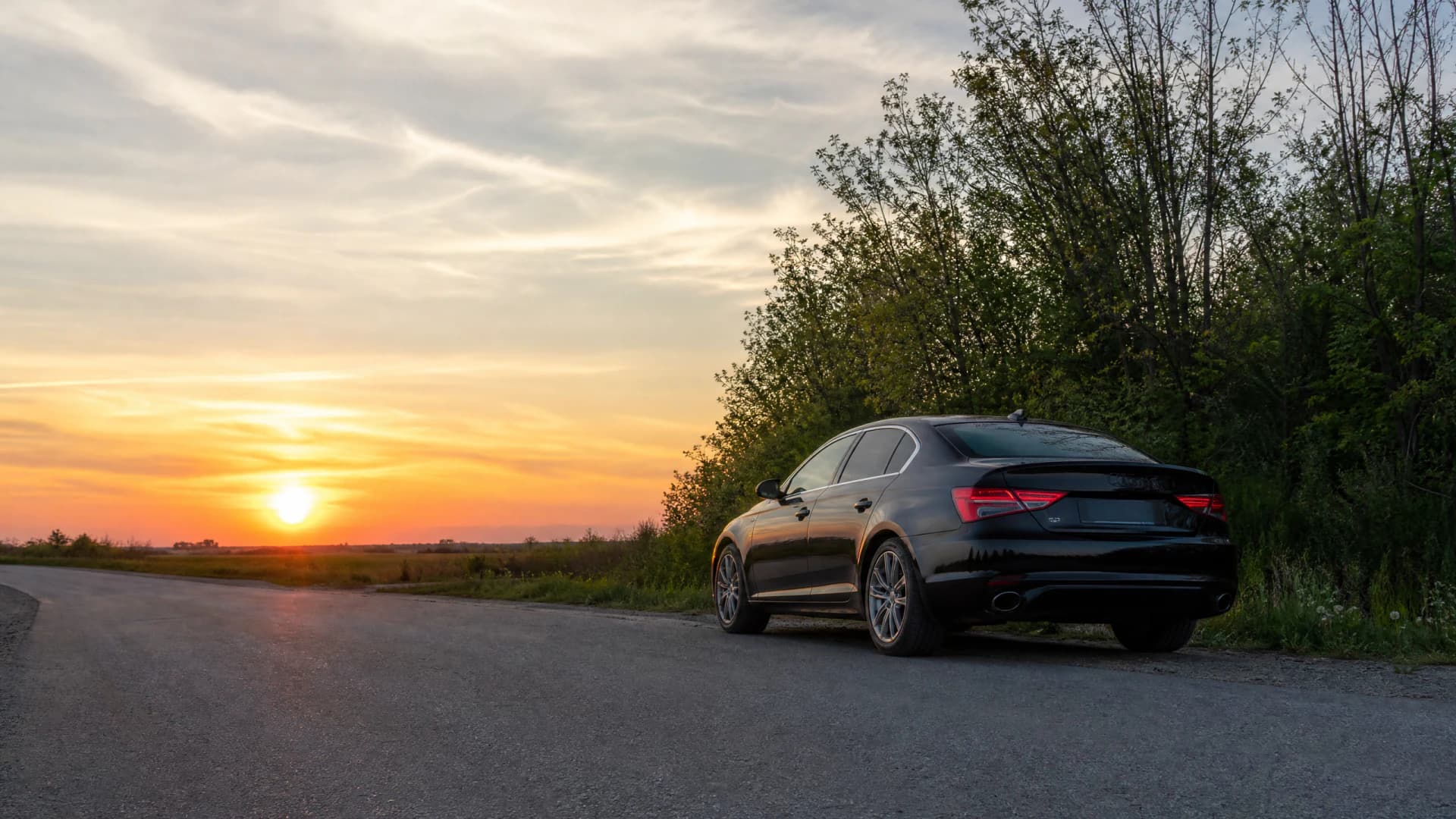
A car titled to a household member on a separate policy does not count toward your multi-car discount, even if it is garaged at the same address.
Related Articles





How Adding a Vehicle Re-Rates the Policy
When you add a vehicle mid-term, the carrier re-rates the entire policy from the date the new vehicle is added. This is not a simple addition of the new car's premium to your existing bill. The carrier recalculates liability, PIP, and uninsured-motorist coverage for every vehicle on the policy, applies the multi-car discount to the new total, and adjusts your premium going forward. If the new vehicle is higher-risk — a sports car, a vehicle with a theft-prone model designation, or a car driven by a newly-added young driver — the re-rating can increase the premium for every vehicle on the policy, not just the new one.
Most carriers provide a grace period during which a newly-purchased vehicle is covered under your existing policy without being formally added. This period is typically 14 to 30 days, depending on the carrier. If you do not report the new vehicle within that window, coverage for that vehicle may be denied at claim time. The grace period does not extend your premium — the moment you report the vehicle, the policy re-rates retroactively to the purchase date, and you owe the difference.
Households that own four or more vehicles sometimes find that insuring a rarely-driven car on the same policy as daily drivers costs more than the multi-car discount saves. In those cases, some carriers offer a stored-vehicle or pleasure-use endorsement that reduces the premium for the rarely-driven car while keeping it on the policy. This preserves the multi-car discount across the other vehicles without overpaying for a car that sits in the garage most of the year.
17 carriers
Carriers Writing Multi-Vehicle Policies in New Jersey
Seventeen carriers write auto insurance in New Jersey, including Allstate, Geico, Progressive, State Farm, Farmers, and Mercury General. All offer multi-vehicle policies, though discount structures and same-policy requirements vary by carrier.
New Jersey Department of Banking and Insurance

When Separate Policies Make Sense for a Multi-Vehicle Household
Combining every household vehicle onto one policy is not always the lowest-cost option. A household with a high-risk driver — a teenager with a recent accident, or an adult with a DUI — may find that keeping that driver and their vehicle on a separate policy prevents the high-risk rating from affecting the premiums on the other household vehicles. The multi-car discount is lost, but the total cost across both policies can be lower than a single combined policy where every vehicle is rated against the household's worst driver.
Roommates who share a residence but are not related face a similar decision. Most carriers define a household as family members related by blood, marriage, or adoption. Roommates who own separate vehicles and want to combine them onto one policy may be denied the multi-car discount, or may be required to list each other as drivers on both vehicles, which increases the premium. In those cases, maintaining separate policies avoids the cross-rating and keeps each person's premium tied to their own driving record.
Compare Carriers That Write Your Household's Vehicle Count
Not every carrier writes policies for households with four or more vehicles, and those that do may apply different underwriting rules to high-vehicle-count policies. Geico, Progressive, State Farm, and Allstate all write policies for households with three or more cars, but the multi-car discount structure and the per-vehicle premium calculation vary. Some carriers apply a larger discount to the third and fourth vehicles; others apply a flat percentage to the total premium regardless of vehicle count. Comparing quotes from at least three carriers that write multi-vehicle policies in New Jersey ensures you are not overpaying because one carrier's discount structure does not fit your household's vehicle count. Use the comparison tool to see which carriers write policies for your specific household structure and how their multi-car discounts apply to your vehicle count.
What the Multi-Car Discount Requires in New Jersey
Every vehicle must sit on the same policy. If you and your spouse each maintain separate policies, combining them into one policy is the only way to qualify for the multi-car discount. The discount does not apply across two policies held by the same household, even with the same carrier. Sixteen of the seventeen carriers writing in New Jersey — including Allstate, Geico, Progressive, State Farm, and Farmers — offer multi-vehicle policies and apply the discount when all household vehicles are listed on one policy.
Most carriers also require that every vehicle be garaged at the same address and titled to household members. A car titled to someone outside the household, such as an adult child living elsewhere or a parent who moved out of state, typically does not qualify. If a household member owns a car but keeps it on a separate policy for credit or rate reasons, that vehicle will not count toward the multi-car discount on your policy. Combining policies mid-term re-rates both policies from the effective date forward, so timing the combination at renewal avoids prorated adjustments.
Get Your Free Quote
Get My New Jersey Car Insurance QuoteFrequently Asked Questions
Does New Jersey require the same coverage on every vehicle on a multi-car policy?
Yes. New Jersey requires liability, Personal Injury Protection, and uninsured-motorist coverage on every registered vehicle. You cannot carry full coverage on one car and minimum coverage on another without meeting the state's mandatory minimums on both. Each vehicle must carry at least $35,000 bodily injury per person, $70,000 per accident, $25,000 property damage, PIP, and uninsured-motorist coverage.
Can I get the multi-car discount if my spouse and I have separate policies?
No. The multi-car discount applies only when every household vehicle sits on the same policy. If you and your spouse each maintain separate policies, you must combine them into one policy to qualify for the discount. Most carriers allow you to combine policies at renewal without penalty.
How long do I have to add a newly-purchased vehicle to my existing policy in New Jersey?
Most carriers provide a grace period of 14 to 30 days during which a newly-purchased vehicle is covered under your existing policy. You must report the vehicle within that window to maintain coverage. If you do not report it, coverage for that vehicle may be denied at claim time.
Does adding a third car to my policy increase the premium on the first two cars?
Yes. Adding a vehicle re-rates the entire policy, not just the new car. The carrier recalculates liability, PIP, and uninsured-motorist coverage for every vehicle, applies the multi-car discount to the new total, and adjusts your premium going forward. If the new vehicle is higher-risk, the re-rating can increase the premium for every vehicle on the policy.
Can I insure a car titled to someone outside my household on my multi-car policy?
Typically no. Most carriers require that every vehicle on a multi-car policy be titled to a household member and garaged at the same address. A car titled to someone outside the household does not qualify for the multi-car discount and may not be eligible for coverage on your policy at all.
What happens if I reject uninsured-motorist coverage on a multi-vehicle policy in New Jersey?
You can reject uninsured-motorist coverage in writing, but doing so removes protection against the 14.1 percent of New Jersey drivers who carry no insurance. The rejection applies to every vehicle on the policy. Most carriers recommend keeping it, especially on a multi-vehicle policy where the risk of an uninsured-motorist collision increases with the number of cars on the road.