
What PIP Pays When Someone in Your Car Is Injured
Personal Injury Protection pays medical expenses, lost income, and essential services for you and anyone riding in your vehicle after an accident, regardless of who caused the collision. New Jersey requires PIP on every registered auto policy.
PIP is first-party coverage. It pays your bills and your passengers' bills from your own policy before any liability claim against the at-fault driver begins. This means faster payment and no waiting for fault determination. If you insure three vehicles on one policy, each vehicle carries its own PIP limit, but the per-person cap applies to each injured person individually, not to the vehicle as a whole.
Compare car insurance rates in your state
Get quotes from licensed carriers — no obligation, no spam, results in minutes.
Get Your Free QuoteNew Jersey PIP Minimum Per Person
New Jersey Department of Banking and Insurance
Medical Expenses PIP Covers in New Jersey
PIP pays for emergency room visits, hospital stays, surgery, diagnostic imaging, prescription medications, physical therapy, chiropractic care, and follow-up medical appointments. Coverage begins immediately after the accident and continues until you exhaust your policy limit or reach maximum medical improvement, whichever comes first.
These non-medical benefits are included within the same per-person cap, not added on top.
PIP does not cover property damage to your vehicle, damage you cause to another driver's car, or injuries to people outside your vehicle. Those fall under collision coverage and liability coverage. PIP is strictly for medical and income-replacement expenses for people inside your car at the time of the crash.
How PIP Limits Apply Across Multiple Vehicles

The vehicle limit does not cap the total; the per-person limit does. This structure matters for households where multiple family members regularly ride together, because a single-vehicle accident can generate claims from several passengers at once.
If you own three vehicles on one policy and each vehicle is driven by a different household member most of the time, an accident involving only the driver of one vehicle triggers only that vehicle's PIP. But if you carpool with your spouse and teenage driver in one car and all three are injured, all three can claim against that vehicle's PIP up to the per-person limit. Higher per-person limits reduce the risk that medical bills exceed coverage when multiple household members are hurt in one crash.
Related Articles
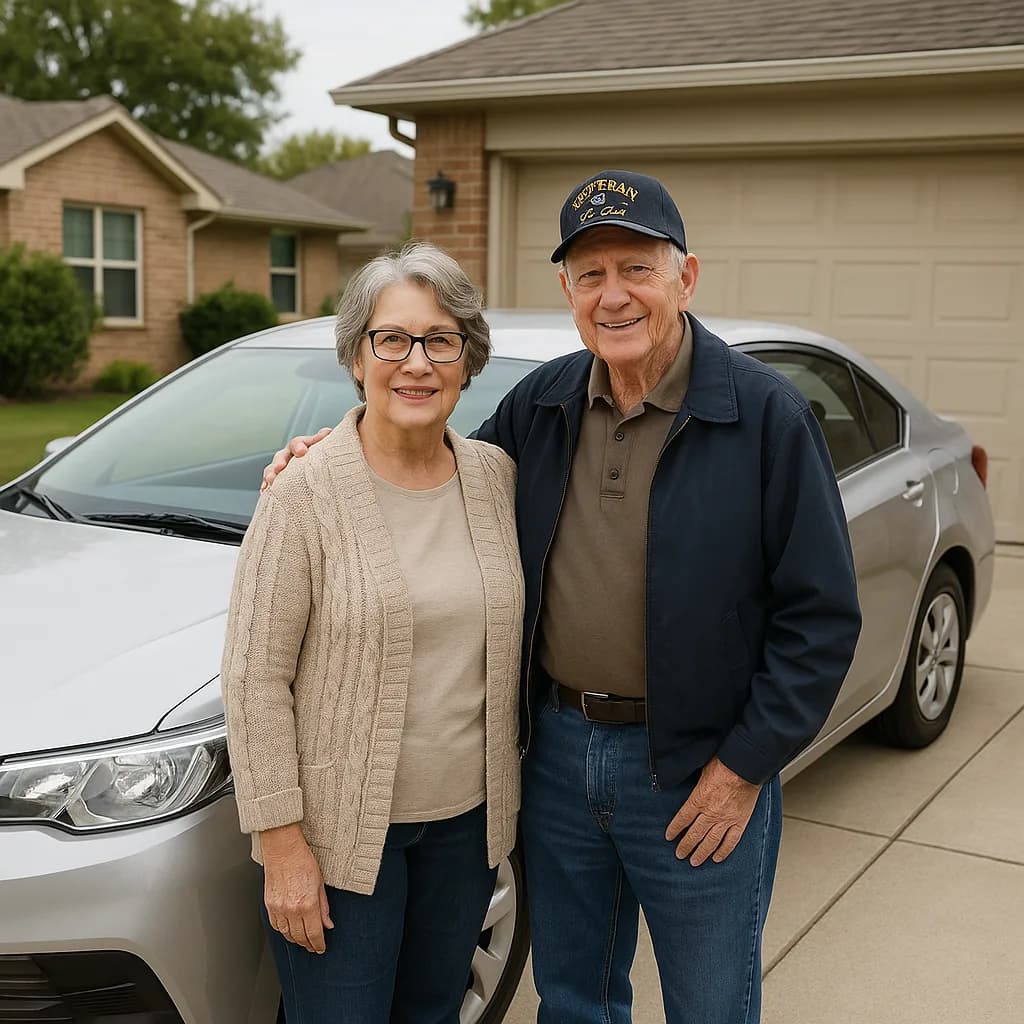





Choosing PIP Limits for a Multi-Vehicle Household
Households with multiple vehicles face a structural decision: whether to carry the same PIP limit on every vehicle or to vary limits based on how each vehicle is used. If one car is driven solo for commuting and another is used for family trips with multiple passengers, some households choose a higher PIP limit on the family vehicle and the minimum on the commuter car. This approach lowers the total premium while concentrating coverage where multiple people are most likely to be injured together.
The risk with varying limits is that you cannot always predict which vehicle will be involved in an accident. Uniform limits across all vehicles eliminate that uncertainty.
New Jersey allows you to reject income-continuation and essential-services coverage in writing, which lowers your PIP premium. If every adult in your household has employer-provided short-term disability and you do not need PIP to replace lost wages, rejecting those components and keeping only medical coverage reduces cost. But the rejection applies to the entire policy—you cannot reject income continuation on one vehicle and keep it on another.
New Jersey Uninsured Motorist Rate
14.1%
Approximately 14.1 percent of New Jersey drivers carry no insurance. When an uninsured driver causes an accident, your PIP pays your medical expenses first, regardless of the other driver's coverage status. This is why PIP limits matter even when you are not at fault.
Insurance Research Council, 2023
PIP and Health Insurance Coordination
New Jersey law requires PIP to pay first, before your health insurance. If your medical bills exceed your PIP limit, your health insurance covers the remainder, subject to your health plan's deductibles and co-pays. This coordination-of-benefits rule means PIP acts as primary coverage for accident-related injuries, and your health plan is secondary.
Some health plans attempt to subrogate—recover payments they made—from your PIP carrier or from a liability settlement with the at-fault driver. New Jersey law limits subrogation rights, but the interaction between PIP and health insurance can delay final settlement of medical claims. Choosing a PIP limit high enough to cover the full cost of expected medical treatment avoids triggering your health plan and simplifies the claims process.
Compare PIP Options When You Add or Replace a Vehicle
When you add a vehicle to your New Jersey policy, the new vehicle automatically receives the same PIP limit as your existing vehicles unless you specify otherwise at the time of addition.
Carriers writing New Jersey auto insurance include Allstate, Geico, Progressive, Farmers, State Farm, Liberty Mutual, Travelers, Mercury General, National General, Root, New Jersey Manufacturers, and others. Not every carrier offers the same range of PIP limits or the same premium for a given limit. The incremental cost of higher PIP limits is often smaller than the incremental cost of raising liability limits, and the protection gain is significant for households where multiple people ride in the same vehicle regularly.