
Average Car Insurance Premium — New Jersey
Free to compare
What Drives New Jersey Multi-Car Premium Costs
You're shopping for coverage on two or more vehicles in New Jersey, and every quote you pull looks higher than the national figures you've seen online. That's because New Jersey mandates personal injury protection (PIP) and uninsured motorist coverage on every registered vehicle—requirements that don't exist in most other states. When you're insuring multiple cars, those mandatory coverages stack per vehicle, and the total premium reflects that structural reality.
The state's minimum liability limits—$35,000 per person, $70,000 per accident for bodily injury, and $25,000 for property damage—set the floor. Add PIP and uninsured motorist to each vehicle, and you're building a policy that costs more than a liability-only minimum in states without those mandates. Understanding what you're actually paying for, and how carriers structure multi-car discounts around those requirements, is the first step toward structuring coverage that fits your household without overpaying.
“New Jersey mandates PIP and uninsured motorist on every vehicle—when you add a second car, you're adding two mandatory coverages, not just liability.”

Get More Than the New Jersey Minimum for Less
Get My New Jersey Car Insurance Quote$986.84
NJ Annual Auto Expenditure Per Vehicle
New Jersey drivers spent an average of $986.84 per insured vehicle in 2023, reflecting the state's mandatory PIP and uninsured-motorist requirements. This figure is per vehicle, not per policy—households with multiple cars pay this baseline multiplied by vehicle count, minus any multi-car discount applied.
NAIC Auto Insurance Database Report 2023
How New Jersey's Mandatory Coverages Affect Multi-Car Policies
New Jersey requires PIP and uninsured motorist coverage on every vehicle you register. That means when you add a second or third car to your policy, you're not just adding liability—you're adding two additional mandatory coverages per vehicle. The multi-car discount reduces the combined premium, but it doesn't eliminate the per-vehicle cost of those mandates.
PIP covers medical expenses for you and your passengers regardless of fault. Uninsured motorist coverage protects you when the other driver has no insurance—a real risk in a state where 14.1% of motorists are uninsured. Both coverages are required by law, and both add to the base cost of insuring each vehicle. When you're comparing quotes, the difference between carriers often comes down to how they price these mandatory coverages, not just the liability limits.
The multi-car discount typically applies to the total policy premium after all coverages are priced. Most carriers require every vehicle to sit on the same policy and share a garaging address to qualify. If one vehicle is titled to someone outside your household or garaged elsewhere, it may not count toward the discount. That's a structural rule, not a carrier preference—ask before you assume the discount will apply.
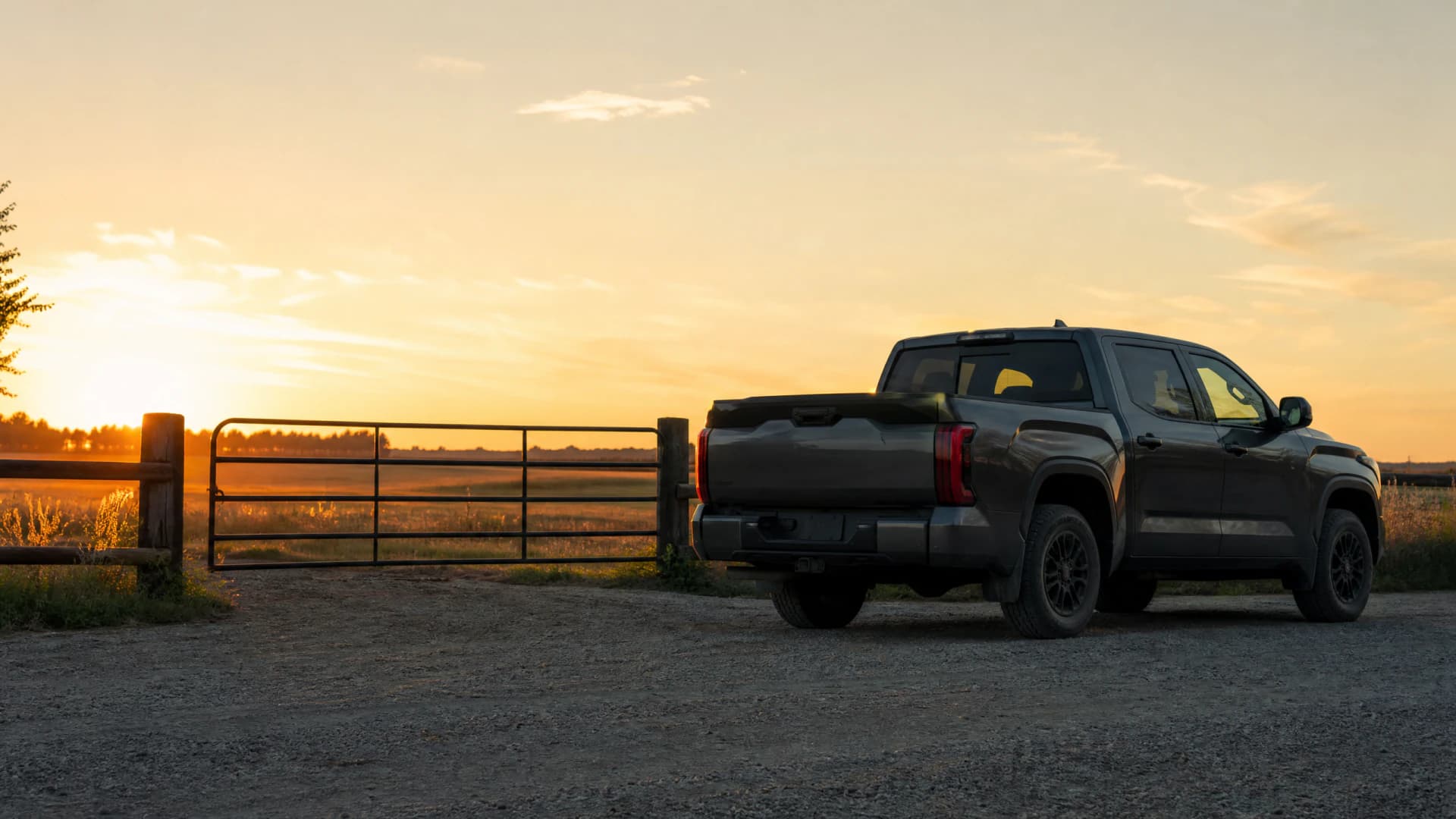
New Jersey's 14.1% uninsured motorist rate makes uninsured-motorist coverage more than a legal requirement—it's protection against a measurable risk you face every time you drive.



How Multi-Car Discounts Work in New Jersey
The multi-car discount applies when you insure two or more vehicles on the same policy. The discount typically ranges from a modest percentage on the second vehicle to a larger percentage on the third and fourth. Carriers structure the discount differently—some apply it per vehicle, others apply it to the total policy premium—but the requirement is almost always the same: every vehicle must sit on one policy, and they must share a garaging address.
If you and your spouse each have a separate policy and you're considering combining them, the multi-car discount will apply to the merged policy. But combining policies also means re-rating both households' vehicles under one risk profile, and that can raise the premium for one spouse even as it lowers the total. The combined premium is usually lower than two separate policies, but not always. Compare the combined quote against your current separate premiums before you commit.
Carriers that write multi-car policies in New Jersey include State Farm, Geico, Progressive, Allstate, and Liberty Mutual, among others. Each structures the discount differently, and each prices PIP and uninsured motorist coverage at different rates. The only way to know which carrier offers the best combined premium for your household is to quote all your vehicles with the same carrier and compare the total.
17 carriers
Carriers Writing Multi-Car Policies in NJ
Seventeen carriers write auto insurance in New Jersey, including national carriers and regional specialists. Not all carriers offer the same multi-car discount structure, and not all price mandatory PIP and uninsured-motorist coverage the same way. Comparing quotes from at least three carriers gives you a realistic range for your household's vehicle count and risk profile.
New Jersey Department of Banking and Insurance carrier roster
When Adding a Vehicle Costs More Than Expected
You added a third car to your policy and the premium jumped more than the cost of insuring one additional vehicle. That's because the carrier re-rated the entire policy, not just the new car. If the new vehicle is a higher-value car, or if a driver with a recent violation or accident is assigned to it, the re-rating can push the total premium higher than you expected even after the multi-car discount is applied.
The multi-car discount reduces the combined premium, but it doesn't override the risk calculation for each vehicle. A household with three vehicles and one driver under 25 will pay more than a household with three vehicles and three drivers over 30, even if both households get the same discount percentage. The discount is applied after the base premium is calculated, not instead of it.
Compare Carriers That Write Your Household's Vehicles
New Jersey's mandatory PIP and uninsured-motorist requirements mean every carrier prices the same base coverages, but they don't all price them the same way. The carrier that offers the lowest premium for one vehicle may not offer the lowest premium for three. The only way to know which carrier fits your household is to quote all your vehicles with the same carrier and compare the total policy premium, not the per-vehicle cost.
Start with carriers that write multi-car policies in New Jersey and request quotes for all your vehicles on one policy. Make sure every vehicle is listed with the correct garaging address and assigned driver. If one vehicle is titled to someone outside your household, ask whether it qualifies for the multi-car discount before you assume it does. Compare the total premium across at least three carriers, then choose the policy that covers your household's vehicles at the lowest combined cost.
What Carriers Price When You Add a Vehicle
Carriers price each vehicle's liability, PIP, and uninsured motorist coverage separately, then apply the multi-car discount to the combined total. The discount percentage varies by carrier—some apply a flat percentage to the second vehicle, others tier the discount by vehicle count. The discount reduces the total premium, but it doesn't change the fact that each vehicle carries the state's mandatory coverages at full cost before the discount is applied.
Adding a vehicle mid-term triggers a re-rating of the entire policy, not just a prorated addition. That means the carrier recalculates your premium based on the new vehicle count, the drivers assigned to each vehicle, and any changes to your household's risk profile. If the new vehicle is a higher-value car, or if a younger driver will operate it, the re-rated premium can jump more than you expected. Most carriers give you a grace period—typically 14 to 30 days—to report the new vehicle and finalize coverage, but unreported vehicles can be denied at claim time.
Get Your Free Quote
Get My New Jersey Car Insurance QuoteFrequently Asked Questions
What is the average car insurance premium for two cars in New Jersey?
New Jersey drivers spent an average of $986.84 per insured vehicle in 2023. For two vehicles, expect the combined annual cost to reflect that baseline per vehicle, minus any multi-car discount your carrier applies. The discount typically reduces the total premium, but both vehicles still carry the state's mandatory PIP and uninsured-motorist coverage at full cost before the discount is applied.
Does New Jersey require PIP and uninsured motorist coverage on every vehicle?
Yes. New Jersey mandates personal injury protection (PIP) and uninsured motorist coverage on every registered vehicle. You cannot register a car in New Jersey without proof of both coverages, and both add to the base cost of insuring each vehicle on your policy.
How does the multi-car discount work in New Jersey?
The multi-car discount applies when you insure two or more vehicles on the same policy. Most carriers require every vehicle to sit on one policy and share a garaging address to qualify. The discount reduces the combined premium, but it doesn't eliminate the per-vehicle cost of New Jersey's mandatory PIP and uninsured-motorist coverages.
What happens if I add a vehicle to my New Jersey policy mid-term?
Adding a vehicle mid-term triggers a re-rating of your entire policy, not just a prorated addition. The carrier recalculates your premium based on the new vehicle count, the drivers assigned to each vehicle, and any changes to your household's risk profile. Most carriers give you a 14- to 30-day grace period to report the new vehicle, but unreported vehicles can be denied at claim time.
Can I combine two separate auto policies in New Jersey to get the multi-car discount?
Yes. If you and your spouse each have a separate policy, combining them onto one policy qualifies for the multi-car discount. But combining policies also means re-rating both households' vehicles under one risk profile, and that can raise the premium for one spouse even as it lowers the total. Compare the combined quote against your current separate premiums before you commit.
Why is my New Jersey car insurance premium higher than the national average?
New Jersey mandates PIP and uninsured motorist coverage on every vehicle, requirements that don't exist in most other states. When you're insuring multiple cars, those mandatory coverages stack per vehicle, and the total premium reflects that structural reality. The state's 14.1% uninsured motorist rate and high vehicle theft rate also drive premiums higher than liability-only states.