
Cheapest Car Insurance in New Jersey — Multi-Car Households
Free to compare
Why the Cheapest Single-Car Rate Does Not Guarantee the Cheapest Multi-Car Policy
You insure two or more vehicles in New Jersey and you are comparing carriers to find the lowest combined premium. The carrier with the cheapest single-car rate in your ZIP code does not always produce the cheapest multi-car policy, because New Jersey requires personal injury protection and uninsured motorist coverage on every registered vehicle. A carrier with a low liability rate but high PIP pricing can cost more across three cars than a competitor with slightly higher liability but lower PIP.
The multi-car discount applies to the policy, not to each vehicle individually. Most carriers require every vehicle to sit on the same policy and share a garaging address for the discount to apply. A vehicle titled to a household member on a separate policy does not count toward the same-policy requirement, and you lose the discount on both policies. Seventeen carriers write multi-car policies in New Jersey, and their discount structures, PIP pricing, and same-policy requirements vary enough that the cheapest option for your household depends on how many vehicles you insure, where they are garaged, and who drives them.
“A carrier with low PIP pricing can beat a carrier with a larger multi-car discount if the PIP savings across three vehicles exceed the discount difference.”

Get More Than the New Jersey Minimum for Less
Get My New Jersey Car Insurance Quote$35,000 / $70,000 / $25,000
New Jersey Minimum Liability Limits
New Jersey requires $35,000 bodily injury per person, $70,000 bodily injury per accident, and $25,000 property damage on every registered vehicle. PIP and uninsured motorist coverage are also mandatory, and those coverages add to the base liability premium on each car.
New Jersey Motor Vehicle Commission
How New Jersey's Mandatory PIP and Uninsured Motorist Coverage Change Multi-Car Pricing
New Jersey is one of twelve states that require personal injury protection on every vehicle. PIP pays your medical expenses and lost wages after an accident, regardless of fault, and the coverage applies per vehicle. A household with three cars pays PIP three times. The state also requires uninsured motorist coverage on every vehicle, which pays your expenses when the at-fault driver has no insurance. Fourteen percent of New Jersey motorists are uninsured, the sixth-highest rate in the country, and that risk is priced into every policy.
Carriers price PIP and uninsured motorist coverage differently. Some carriers apply a flat per-vehicle PIP charge; others tier it by driver age and location. A carrier with a low liability rate but high PIP pricing can produce a higher combined premium across multiple vehicles than a competitor with slightly higher liability but lower PIP. The multi-car discount reduces the total premium, but it does not change the per-vehicle PIP or uninsured motorist charge. You save more by choosing a carrier with low PIP pricing than by chasing the largest advertised multi-car discount percentage.
The state's minimum liability limits are $35,000 per person, $70,000 per accident, and $25,000 property damage. When you insure multiple vehicles, the combined PIP and uninsured motorist charges often exceed the liability premium, and that is where carrier pricing diverges most.
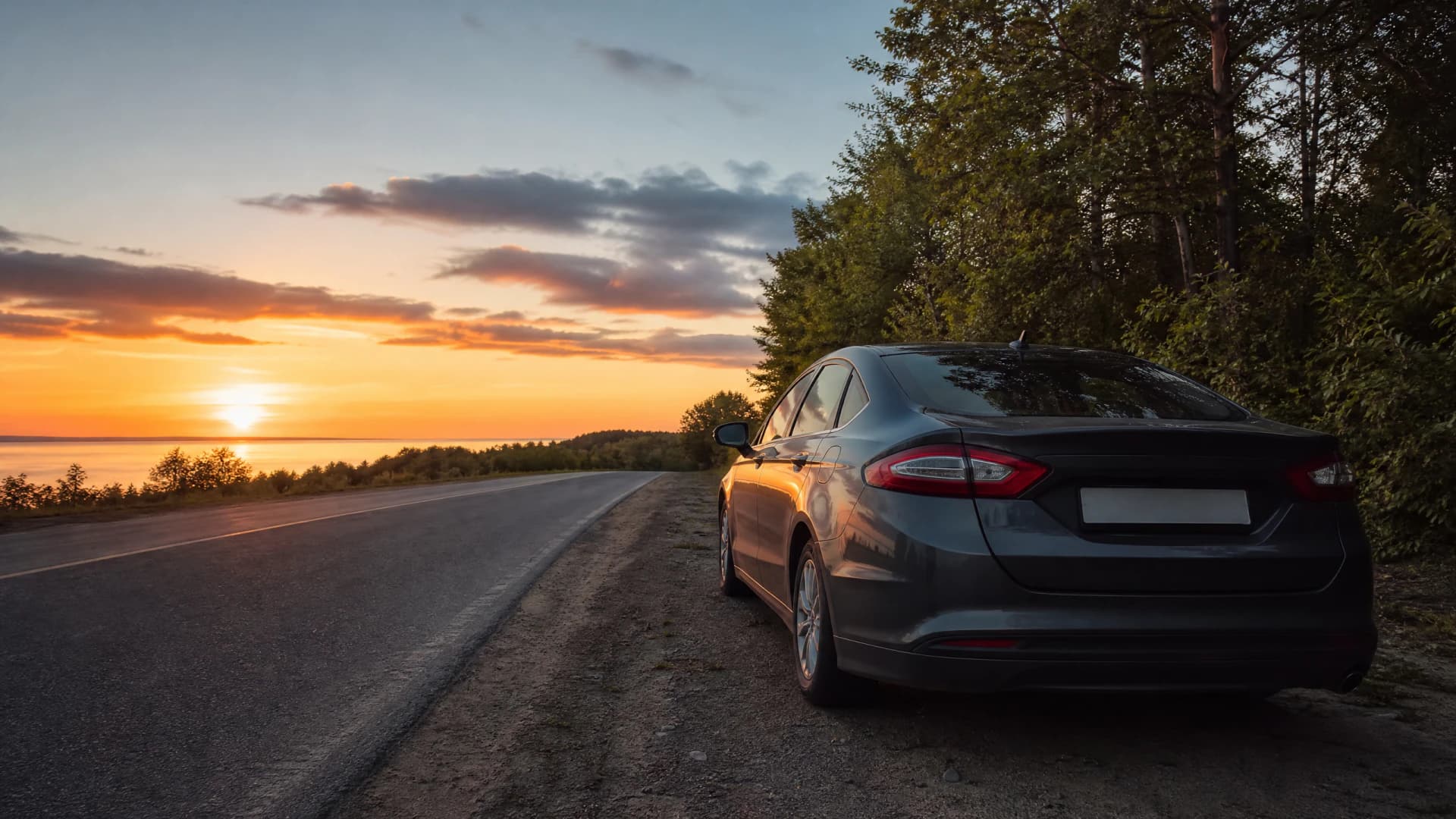
A vehicle titled to a household member on a separate policy does not count toward the same-policy multi-car discount, and you lose the discount on both policies.




How the Multi-Car Discount Works and What It Requires
The multi-car discount applies when you insure two or more vehicles on the same policy. Most carriers require every vehicle to be titled to the same person or to household members living at the same address. A vehicle titled to someone outside the household does not qualify, even if that person is a family member. The discount reduces the total premium, but the reduction is applied to the policy, not to each vehicle individually. A household with three cars does not get three separate discounts; the policy gets one discount based on the number of vehicles.
Some carriers require every vehicle to be garaged at the same address for the discount to apply. If one vehicle is garaged at a second address, the carrier may deny the discount or require a separate policy for that vehicle. Other carriers allow a second garaging address but reduce the discount. The same-address requirement is not universal, but it is common enough that you should confirm it with the carrier before adding a vehicle garaged elsewhere.
Adding a vehicle mid-term re-rates the entire policy. The carrier recalculates the premium for every vehicle on the policy, not just the new one, and the multi-car discount is applied to the new total. If the new vehicle is a higher-risk model or is driven by a higher-risk driver, the re-rate can increase the premium for every vehicle. The opposite is also true: adding a low-risk vehicle driven by a low-risk driver can lower the per-vehicle premium for the entire policy. The re-rate happens at the time you add the vehicle, not at renewal, and the new premium applies for the remainder of the term.
17 carriers
Multi-Car Carriers Writing in New Jersey
Seventeen carriers write multi-car policies in New Jersey, including standard, preferred, and non-standard tiers. Not all carriers write in every ZIP code, and availability varies by county. The carrier roster in your location determines which of these seventeen will quote your household.
New Jersey Department of Banking and Insurance
What Drives Multi-Car Premium Differences Across Carriers
Carriers price multi-car policies differently based on how they weight driver age, vehicle age, garaging location, and driving history. A carrier that heavily weights driver age will charge more for a household with a teen driver, even if the teen does not drive the newest or most expensive vehicle. A carrier that heavily weights vehicle age will charge more for a household with three older cars than for a household with two newer cars, even if the older cars are worth less. The multi-car discount does not override these weighting differences; it reduces the total premium after the per-vehicle premiums are calculated.
New Jersey allows carriers to use credit-based insurance scores in pricing, and carriers apply those scores differently. Some carriers apply the score to the policy as a whole; others apply it per vehicle or per driver. A household with two drivers and three vehicles may see a lower combined premium from a carrier that applies the score per policy than from a carrier that applies it per driver, even if the per-vehicle base rates are identical. The scoring method is not disclosed in the quote, so the only way to identify the cheapest carrier is to compare quotes from multiple carriers writing in your ZIP code.
Compare Carriers Writing Multi-Car Policies in Your ZIP Code
The cheapest multi-car policy for your household depends on how many vehicles you insure, where they are garaged, who drives them, and which carriers write in your ZIP code. The carrier with the lowest single-car rate does not always produce the lowest multi-car premium, because New Jersey's mandatory PIP and uninsured motorist coverage rules mean you pay for those coverages on every vehicle. A carrier with low PIP pricing can beat a carrier with a larger multi-car discount percentage if the PIP savings across three vehicles exceed the discount difference. Compare quotes from at least three carriers writing multi-car policies in your location, and confirm that every vehicle qualifies for the same-policy discount before you bind coverage.
Which Carriers Write Multi-Car Policies in New Jersey
Allstate, Farmers, Geico, Mercury General, National General, Progressive, and Root write standard and non-standard multi-car policies in New Jersey. These carriers write policies for households with clean records and for households with violations, and they all offer online quoting. State Farm and USAA write multi-car policies for preferred-tier households, and both require every vehicle to be garaged at the same address. Travelers writes multi-car policies but does not write non-owner policies, so a household member without a titled vehicle cannot be added to the policy as a driver without triggering a re-rate.
Bristol West writes non-standard multi-car policies through brokers and does not offer direct online quoting. CSAA, Hartford, Liberty Mutual, Nationwide, and New Jersey Manufacturers write multi-car policies in New Jersey, but their availability varies by county and ZIP code. Amica writes multi-car policies for preferred-tier households and applies a same-address garaging requirement. The carrier roster in your ZIP code determines which of these seventeen carriers will quote your household, and the cheapest option depends on how many vehicles you insure and whether every vehicle is garaged at the same address.
Get Your Free Quote
Get My New Jersey Car Insurance QuoteFrequently Asked Questions
Does New Jersey require the same insurance on every vehicle in a multi-car household?
Yes. New Jersey requires liability, personal injury protection, and uninsured motorist coverage on every registered vehicle. You cannot insure one vehicle with minimum coverage and another with full coverage unless both policies meet the state's mandatory coverage requirements.
Can I get the multi-car discount if one vehicle is titled to someone outside my household?
No. Most carriers require every vehicle on the policy to be titled to the policyholder or to household members living at the same address. A vehicle titled to someone outside the household does not qualify for the same-policy multi-car discount.
Does adding a third vehicle to my policy increase the premium for the other two cars?
Yes. Adding a vehicle mid-term re-rates the entire policy. The carrier recalculates the premium for every vehicle, not just the new one, and applies the multi-car discount to the new total. If the new vehicle is higher-risk, the per-vehicle premium for the other two cars can increase.
Which New Jersey carriers write the cheapest multi-car policies?
The cheapest carrier depends on how many vehicles you insure, where they are garaged, and who drives them. Geico, Progressive, and State Farm write multi-car policies statewide, but their pricing varies by ZIP code. Compare quotes from at least three carriers writing in your location.
Do I need to garage every vehicle at the same address to get the multi-car discount?
It depends on the carrier. Some carriers require every vehicle to be garaged at the same address for the discount to apply. Others allow a second garaging address but reduce the discount. Confirm the garaging requirement with the carrier before adding a vehicle.