
Cheapest Car Insurance for New Drivers — New Jersey
Free to compare
Why New Jersey New-Driver Premiums Start High
You added a new driver to your household policy and the premium jumped by an amount that feels disproportionate to the risk. New Jersey mandates personal injury protection (PIP) and uninsured-motorist coverage on every registered vehicle, and those coverages apply to every driver on the policy. When you add a driver with no experience, the carrier re-rates the entire policy to reflect the new driver's access to every vehicle, and the mandatory coverages amplify that increase.
The state minimum liability limits are $35,000 per person, $70,000 per accident for bodily injury, and $25,000 for property damage. PIP and uninsured-motorist coverage sit on top of those minimums, and the carrier prices both for the new driver's risk profile. A household that was paying for two experienced drivers and two vehicles now pays for three drivers, two vehicles, and the mandatory coverages priced for the least experienced driver on the policy.
“One household policy with the new driver listed almost always costs less than two separate policies, even when the household premium increase feels steep.”

Get More Than the New Jersey Minimum for Less
Get My New Jersey Car Insurance Quote$35,000 / $70,000 / $25,000
New Jersey Minimum Liability Limits
New Jersey requires $35,000 per person, $70,000 per accident for bodily injury, and $25,000 for property damage. PIP and uninsured-motorist coverage are mandatory on top of these minimums, and the carrier prices all coverages for every driver on the policy.
New Jersey Motor Vehicle Commission
One Policy or Two: The Structural Decision
The first question is whether the new driver belongs on your existing household policy or a separate policy of their own. The multi-vehicle discount applies only when every vehicle sits on the same policy, and most carriers require every household driver to be listed on that policy or explicitly excluded. If the new driver will operate any household vehicle, they must be listed, and the policy re-rates to reflect their access.
A separate policy for the new driver eliminates the multi-vehicle discount and often costs more in total than adding them to the household policy, even with the premium increase. The household policy already carries the mandatory PIP and uninsured-motorist coverage; a separate policy duplicates those coverages at a higher per-policy rate for an inexperienced driver. The structural reality: one household policy with the new driver listed almost always costs less than two separate policies, even when the household premium increase feels steep.
The exception is when the new driver owns a vehicle titled in their name and garaged at a different address. In that case, the vehicle cannot sit on your household policy, and the new driver needs their own policy. Most carriers will not write a multi-vehicle discount across two addresses, and the new driver's separate policy will price as a standalone risk.
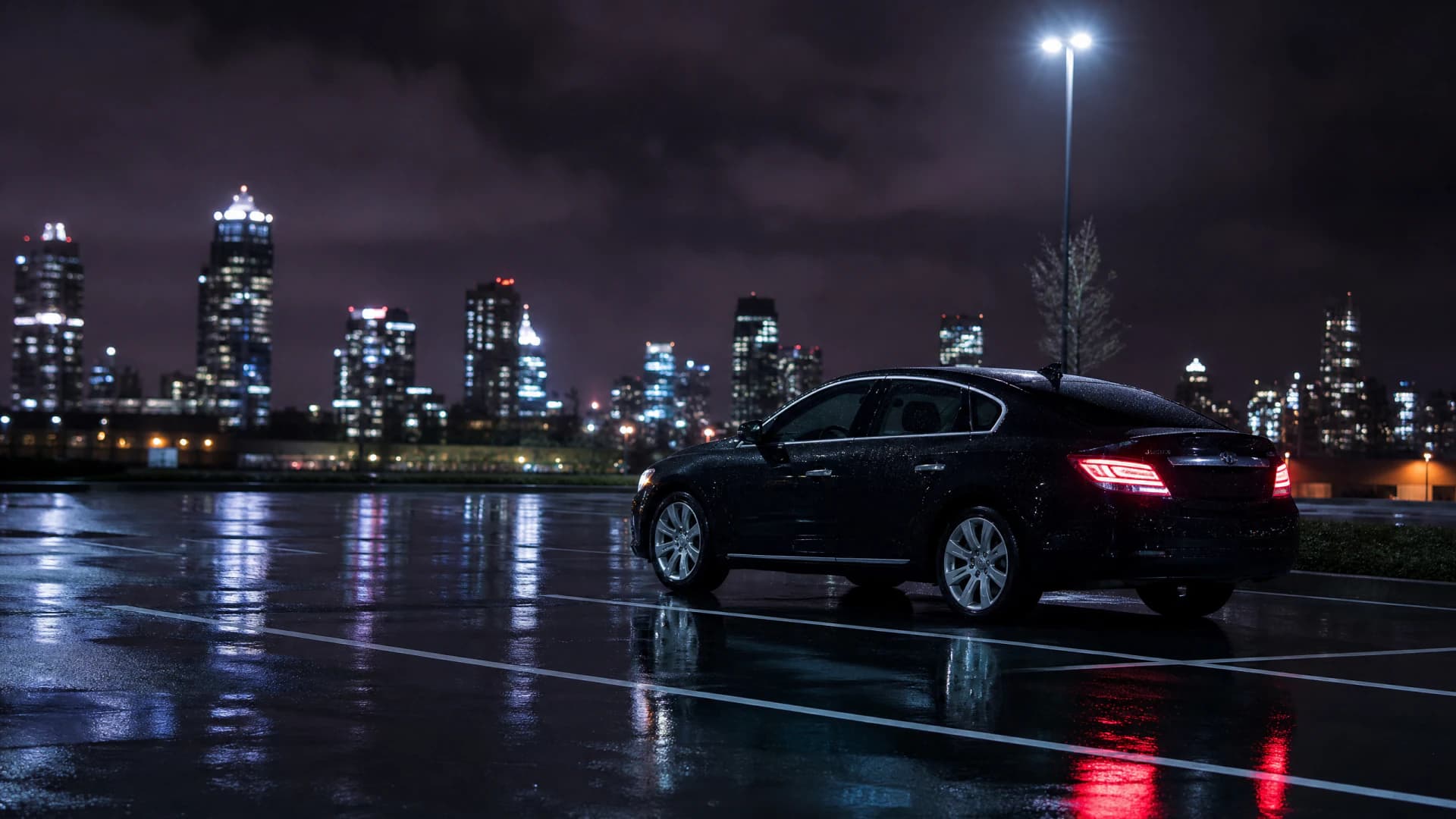
The multi-vehicle discount requires every vehicle on the same policy. Adding the new driver to your household policy preserves the discount; a separate policy eliminates it and usually costs more in total.
Related Articles




How Adding a New Driver Re-Rates the Policy
When you add a new driver mid-term, the carrier re-rates the entire policy from the date the driver is added. The new premium applies to the remainder of the term, and the carrier bills the difference as an additional premium due immediately or spread across the remaining months. The re-rating reflects the new driver's access to every vehicle on the policy, even if you assign them to a specific vehicle. New Jersey is a household-rating state, meaning the carrier assumes every driver has access to every vehicle unless a driver is explicitly excluded.
Excluding a driver is possible, but only when the excluded driver has their own separate policy or does not live in the household. You cannot exclude a household member who does not have their own insurance. If the new driver is a teenager who just received their license, they must be listed on your policy or on a separate policy of their own. If they are listed on your policy, the carrier prices the policy as if they could drive any household vehicle, and the premium reflects that access.
The failure mode most households miss: adding the new driver after they start driving, rather than when they receive their permit. New Jersey requires every driver to be listed on a policy from the moment they receive a learner's permit, not from the moment they receive a full license. If the new driver has been driving on a permit for six months and you add them only when they receive their license, the carrier can deny coverage for any incident that occurred during the permit period. Add the driver when they receive the permit, not when they pass the road test.
14.1%
Uninsured Motorists in New Jersey
Approximately 14.1% of New Jersey motorists drive without insurance, which is why the state mandates uninsured-motorist coverage on every policy. When you add a new driver, the uninsured-motorist coverage extends to them, and the carrier prices that coverage for their risk profile.
Insurance Information Institute, 2023

Assigning the New Driver to a Specific Vehicle
Most carriers allow you to assign the new driver to a specific vehicle, which can lower the total premium if the assigned vehicle is older or has lower liability limits than the other household vehicles. The assignment does not prevent the new driver from operating other household vehicles in an emergency, but it signals to the carrier that the new driver will primarily operate the assigned vehicle, and the carrier prices the policy accordingly. If you assign the new driver to a vehicle with lower collision and comprehensive coverage, the premium increase is smaller than if the carrier assumes the new driver has equal access to every vehicle.
The assignment must be made when you add the driver to the policy. You cannot assign the driver retroactively after the policy renews. If you miss the assignment window, the carrier prices the policy as if the new driver has equal access to every vehicle, and you cannot change the assignment until the next renewal. Call your carrier or agent when you add the driver and request the assignment at that time.
Compare Carriers That Write New-Driver Policies in New Jersey
Seventeen carriers write auto insurance in New Jersey, and not all of them price new drivers the same way. Geico, Progressive, State Farm, Allstate, Liberty Mutual, Farmers, Nationwide, and Travelers all write multi-vehicle policies and allow new drivers on household policies. Geico and Progressive offer online quotes; the others require agent contact. Bristol West and National General write non-standard policies for drivers who cannot qualify for standard coverage, but both write new drivers on household policies and offer multi-vehicle discounts.
The structural path forward: request quotes from at least three carriers that write multi-vehicle discounts in New Jersey, and ask each carrier to model the household premium with the new driver assigned to a specific vehicle. Compare the total household premium, not the per-vehicle premium, because the multi-vehicle discount applies to the policy total, not to individual vehicles. The carrier that offers the lowest total household premium with the new driver listed is the carrier that structures the discount and surcharge in the order that benefits your household.
Carriers That Write Multi-Vehicle Discounts Without Penalizing New Drivers
Geico, Progressive, and State Farm write multi-vehicle discounts in New Jersey and allow new drivers on household policies without eliminating the discount. Geico and Progressive both offer online quotes that show the household premium with and without the new driver, so you can see the exact increase before committing. State Farm requires an agent quote, but agents can model the new-driver addition and show the total household premium with the multi-vehicle discount applied. All three carriers write PIP and uninsured-motorist coverage as required by New Jersey law, and all three allow you to structure the policy so the new driver is listed but assigned to a specific vehicle.
Allstate and Liberty Mutual also write multi-vehicle policies in New Jersey, but both apply the new-driver surcharge before calculating the multi-vehicle discount, which produces a higher total premium than carriers that discount first. If you already carry a policy with Allstate or Liberty Mutual, compare the household premium increase against a quote from Geico, Progressive, or State Farm before renewing. The difference between discount-first and surcharge-first pricing can exceed $500 per year on a two-vehicle household policy with one new driver.
Get Your Free Quote
Get My New Jersey Car Insurance QuoteFrequently Asked Questions
Do I need to add a new driver to my policy when they get a learner's permit?
Yes. New Jersey requires every driver to be listed on a policy from the moment they receive a learner's permit, not from the moment they receive a full license. If the new driver has been driving on a permit and you add them only when they receive their license, the carrier can deny coverage for any incident that occurred during the permit period.
Can I exclude a new driver from my household policy in New Jersey?
You can exclude a driver only if they have their own separate policy or do not live in the household. You cannot exclude a household member who does not have their own insurance. If the new driver lives in your household and does not have a separate policy, they must be listed on your policy.
Does assigning a new driver to a specific vehicle lower my premium?
Yes, if the assigned vehicle is older or has lower liability limits than the other household vehicles. The assignment signals to the carrier that the new driver will primarily operate that vehicle, and the carrier prices the policy accordingly. The assignment must be made when you add the driver; you cannot assign retroactively.
What is the multi-vehicle discount in New Jersey?
The multi-vehicle discount applies when you insure two or more vehicles on the same policy. Most carriers require every household driver to be listed on the policy or explicitly excluded. Adding a new driver to a household policy preserves the multi-vehicle discount; a separate policy for the new driver eliminates it.
How much does adding a new driver increase my premium in New Jersey?
The increase depends on the new driver's age, the vehicles on the policy, and the carrier's pricing structure. New Jersey mandates PIP and uninsured-motorist coverage on every policy, and the carrier prices those coverages for the new driver's risk profile. Compare quotes from multiple carriers to find the lowest total household premium.