
Collision Coverage for Multiple Cars — New Jersey
Free to compare
The Multi-Car Collision Decision
You own two or three cars insured on one New Jersey policy. One vehicle is older, paid off, or driven rarely. You wonder whether you need collision coverage on that car, or whether you can drop it and keep collision only on the newer vehicles. The carrier quoted you a multi-car policy with collision on every vehicle, but you want to know if selective collision makes sense.
New Jersey law does not require collision coverage on any vehicle. The state mandates $35,000/$70,000 bodily injury liability, $25,000 property damage liability, personal injury protection, and uninsured motorist coverage — but collision is optional. That means the decision is yours, and it hinges on vehicle value, your household's financial position, and how dropping collision from one car affects the rest of your policy.
“Dropping collision from one vehicle re-rates the entire multi-car policy, not just that car — the savings depend on your carrier's discount structure.”

Get More Than the New Jersey Minimum for Less
Get My New Jersey Car Insurance Quote$35,000/$70,000/$25,000
New Jersey Minimum Liability
New Jersey requires $35,000 bodily injury per person, $70,000 per accident, and $25,000 property damage on every registered vehicle. Collision is not part of this minimum — it covers damage to your own car, not liability to others.
New Jersey Motor Vehicle Commission
What Collision Covers on a Multi-Car Policy
Collision coverage pays to repair or replace your vehicle when it hits another car, a fixed object, or rolls over, regardless of fault. On a multi-car policy, collision applies per vehicle: each car you add to the policy can carry collision, or not. The deductible you choose — typically $500 or $1,000 — applies per vehicle per incident.
When you drop collision from one vehicle on a multi-car policy, that car loses collision protection but the other vehicles keep theirs. The carrier re-rates the entire policy when you make the change, not just the one vehicle. That re-rating can shift your premium in ways that are not immediately obvious: removing collision from a low-value car may save less than expected if the multi-car discount structure changes, or if the carrier's base rate for your household adjusts.
New Jersey's mandatory uninsured motorist coverage does not replace collision. Uninsured motorist property damage covers your car when an uninsured driver hits you, but it does not cover single-vehicle accidents, rollovers, or collisions with fixed objects. If you drop collision, those scenarios leave you paying out of pocket.
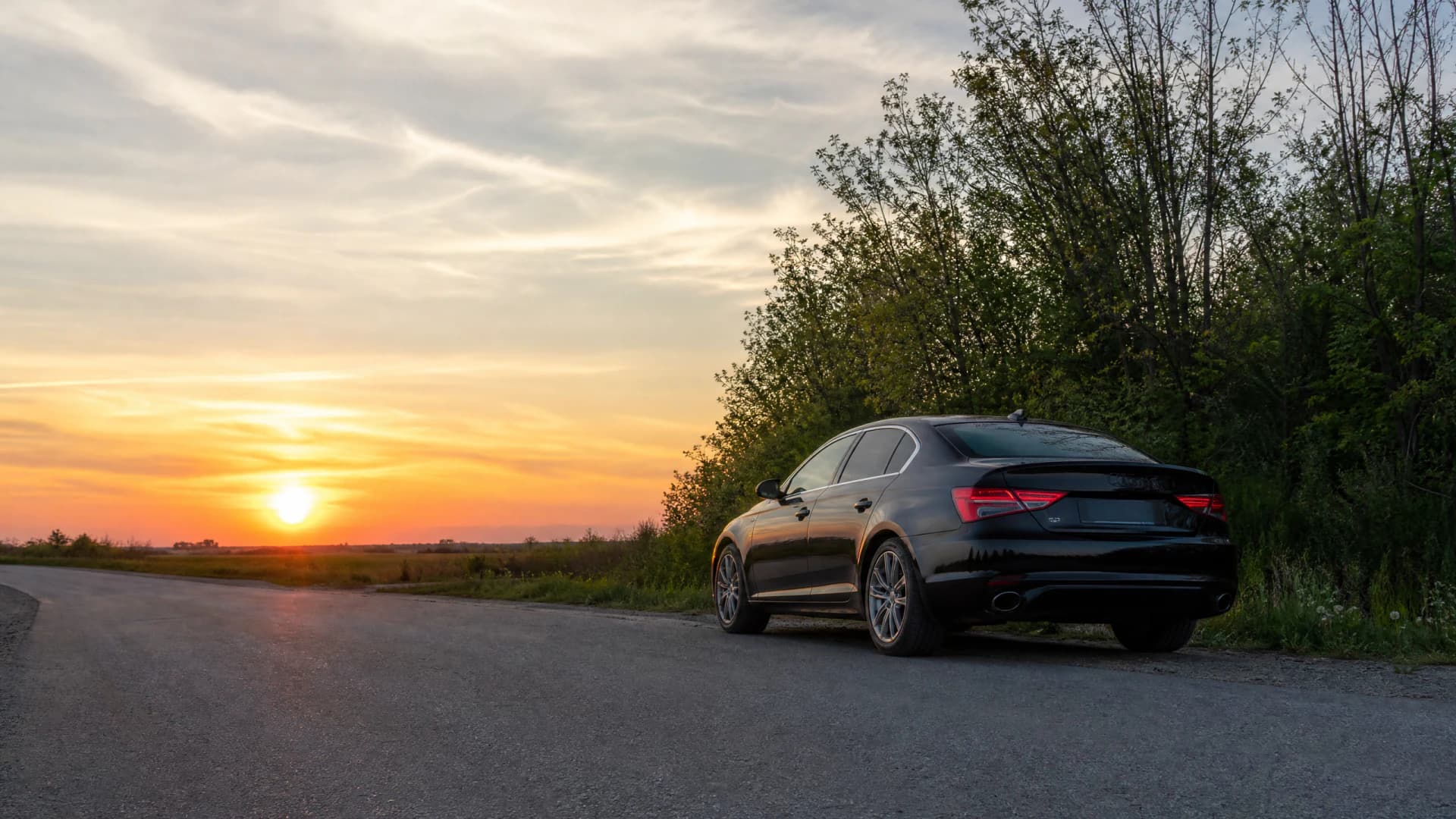
Dropping collision from one vehicle on a multi-car policy re-rates the entire policy, not just that car — the premium change depends on how your carrier structures the multi-car discount and base rate.
Related Articles




How Dropping Collision Affects Your Multi-Car Policy
When you remove collision from one vehicle on a multi-car policy, the carrier recalculates the premium for the entire policy. The multi-car discount typically applies to the total premium, not per vehicle, so changing one vehicle's coverage can shift the discount's value. Some carriers apply a larger discount when every vehicle carries the same coverage levels; dropping collision from one car may reduce the discount slightly, offsetting part of the collision premium you removed.
The deductible structure also matters. If you carry a $500 deductible on two cars and a $1,000 deductible on a third, and you drop collision from the third car, your household now has two vehicles with $500 deductibles and one with no collision coverage at all. That asymmetry can create confusion at claim time: you must remember which vehicle carries collision and which does not, because filing a collision claim on the wrong car means paying the full repair cost yourself.
New Jersey carriers writing multi-car policies include Allstate, Geico, Progressive, State Farm, Liberty Mutual, Farmers, Mercury General, National General, Root, and Travelers. Each structures the multi-car discount and collision pricing differently. Compare quotes with collision on every vehicle, then compare again with collision dropped from specific cars. The difference tells you whether selective collision saves enough to justify the coverage gap.
17 carriers
New Jersey Multi-Car Carriers
Seventeen carriers write multi-car policies in New Jersey, each with different collision pricing and discount structures. Comparing quotes with and without collision on specific vehicles shows the true cost difference for your household.

Selective Collision and Household Risk
Dropping collision from one vehicle shifts financial risk to your household. If that car is totaled in an at-fault accident or a single-vehicle crash, you pay the replacement cost out of pocket. The decision depends on your household's cash reserves and whether you can absorb a sudden vehicle replacement without disrupting your budget.
Consider who drives each vehicle. If the car without collision is driven by a newer driver, a driver with a recent accident, or a driver who commutes in dense traffic, the collision risk is higher. If the car sits in your driveway most of the week and is driven only for errands, the risk is lower. Match the coverage to the vehicle's use and the driver's profile, not just the car's age or value.
Compare Carriers and Adjust Coverage Mid-Term
You can add or drop collision from any vehicle on your multi-car policy at any time, not just at renewal. The carrier will re-rate the policy effective the date of the change and either refund the unused collision premium or charge the additional amount. If you buy a newer car mid-term and want to add collision, or if an older car's value drops below your threshold and you want to remove collision, call the carrier and request the change. The adjustment happens immediately.
When comparing carriers, request quotes with multiple collision scenarios: collision on every vehicle, collision on the two newest vehicles only, and collision on one vehicle only. The premium differences reveal which carrier prices selective collision most favorably for your household. Some carriers penalize selective coverage by reducing the multi-car discount; others price each vehicle independently and make selective collision straightforward. Use the site's comparison tool to request quotes from multiple New Jersey carriers and compare the collision options side by side.
When Collision Makes Sense for Each Vehicle
Keep collision on any vehicle worth more than ten times the annual collision premium. Keep collision on financed or leased vehicles — the lender requires it. Keep collision on any car you cannot afford to replace out of pocket, even if it is older, because a single accident could leave your household without transportation.
Drop collision when the vehicle's value falls below five times the annual collision premium. Drop collision on a third or fourth vehicle that sits unused most of the year, or on a classic car you garage and drive rarely. In those cases, comprehensive-only coverage protects against theft and weather damage without paying for collision you are unlikely to use.
Get Your Free Quote
Get My New Jersey Car Insurance QuoteFrequently Asked Questions
Does New Jersey require collision coverage on any vehicle?
No. New Jersey requires liability, personal injury protection, and uninsured motorist coverage, but collision is optional. You decide whether to carry collision on each vehicle based on its value and your household's financial position.
Can I drop collision from one car on a multi-car policy and keep it on the others?
Yes. Collision applies per vehicle on a multi-car policy. You can drop it from one car and keep it on the others, but the carrier will re-rate the entire policy when you make the change, which may affect your multi-car discount.
What happens if I total a car that does not have collision coverage?
You pay the replacement cost out of pocket. Collision covers damage to your own vehicle in an at-fault accident or single-vehicle crash. Without it, you receive no insurance payout for your car's damage, even if the other driver is uninsured.
Does uninsured motorist coverage replace collision in New Jersey?
No. Uninsured motorist property damage covers your car when an uninsured driver hits you, but it does not cover single-vehicle accidents, rollovers, or collisions with fixed objects. Collision covers those scenarios; uninsured motorist coverage does not.
How do I know if collision is worth keeping on an older car?
Compare the vehicle's current value to the annual collision premium. If the car is worth less than five times the annual premium, collision typically costs more than it is worth. If the car is worth more than ten times the premium, keep collision.
Can I add collision to a car mid-term if I dropped it earlier?
Yes. You can add or drop collision from any vehicle on your policy at any time, not just at renewal. The carrier will re-rate the policy effective the date of the change and charge or refund the difference.