
Full-Coverage Car Insurance Carriers — New Jersey
Free to compare
Full Coverage Across Multiple Vehicles in New Jersey
You own two or more vehicles in New Jersey, and you're deciding whether to add comprehensive and collision to every car on your policy or only some of them. The choice affects not just your premium but whether you preserve the multi-car discount most carriers require you to maintain across every vehicle on the same policy.
New Jersey mandates $35,000 per person and $70,000 per accident in bodily injury liability, $25,000 in property damage, personal injury protection, and uninsured motorist coverage on every registered vehicle. Full coverage adds comprehensive and collision to that mandatory base. When you insure multiple vehicles, the structural question is whether adding full coverage to one car while leaving another with minimum coverage breaks the policy structure carriers use to calculate the multi-car discount.
“A smaller discount on a lower base rate can produce a lower total premium than a larger discount on a higher base rate.”

Get More Than the New Jersey Minimum for Less
Get My New Jersey Car Insurance Quote$35,000/$70,000/$25,000
New Jersey Liability Minimum
Every registered vehicle in New Jersey must carry at least $35,000 per person, $70,000 per accident in bodily injury liability, and $25,000 in property damage, plus mandatory PIP and uninsured motorist coverage. Full coverage adds comprehensive and collision on top of this base.
New Jersey Motor Vehicle Commission
What Full Coverage Means on a Multi-Car Policy
Full coverage is not a product name. It describes a policy that carries comprehensive and collision in addition to the liability, PIP, and uninsured motorist coverage New Jersey requires. Comprehensive pays for damage to your vehicle from events other than collision: theft, vandalism, weather, fire, animal strikes. Collision pays for damage to your vehicle when it hits another car or object, regardless of fault.
On a multi-car policy, you elect comprehensive and collision separately for each vehicle. One car can carry full coverage while another carries only the state-mandated minimum. The structural reality: most carriers calculate the multi-car discount at the policy level, not per vehicle, and some require every vehicle on the policy to carry the same coverage elections to preserve the discount. When you add full coverage to one car but not another, you may lose the multi-car discount entirely, or the discount may apply only to the liability portion of the premium and not to the comprehensive and collision you just added.
The consequence is that adding full coverage to one vehicle can re-rate the entire policy in ways that make the total premium higher than expected, even when the second vehicle remains minimum-coverage-only. The multi-car discount you thought applied to both vehicles may now apply to neither, or only partially.
Seventeen carriers write auto insurance in New Jersey. Not all of them write multi-car policies the same way, and not all of them allow mixed coverage elections across vehicles without penalty. The carriers that write the largest multi-car books in New Jersey include State Farm, Geico, Allstate, Progressive, and Liberty Mutual. Each structures the multi-car discount differently, and each has different rules about whether full coverage on one vehicle requires full coverage on all to preserve the discount.
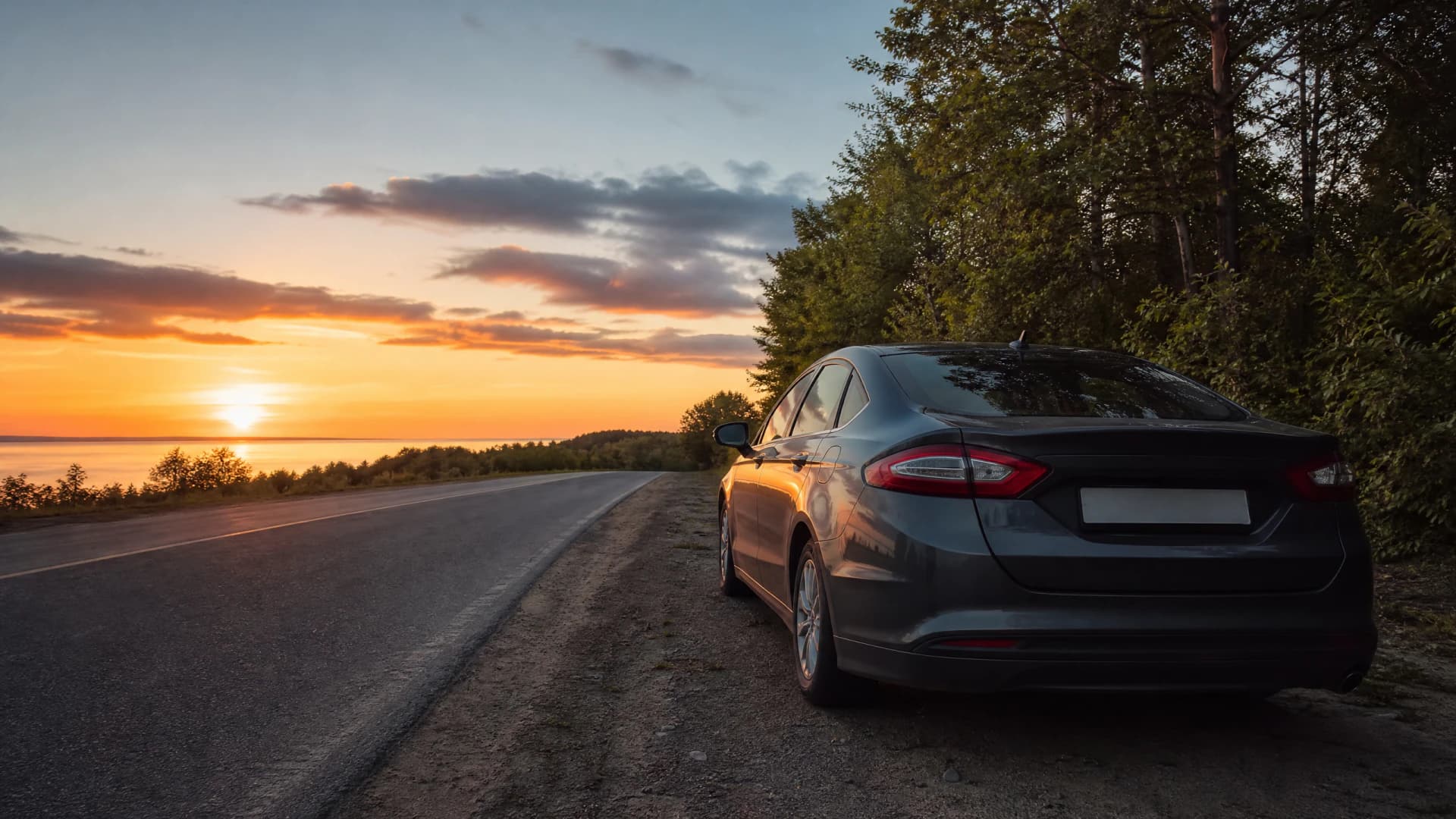
Most carriers calculate the multi-car discount at the policy level. Adding full coverage to one vehicle while leaving another at minimum coverage can break the discount structure entirely.
Related Articles



When Full Coverage Makes Sense for Every Vehicle
Full coverage makes sense when the vehicle's value justifies the additional premium. A conventional threshold: if the vehicle is worth more than ten times the annual cost of comprehensive and collision, the coverage is typically worth carrying. A newer vehicle financed through a lender requires full coverage as a loan condition. An older vehicle owned outright may not justify the premium if its market value is low.
On a multi-car policy, the decision compounds. The structural blocker: most carriers penalize mixed coverage elections by reducing or eliminating the multi-car discount, and the premium increase from losing the discount can exceed the cost of adding full coverage to the older vehicle.
The path forward: compare the total policy premium under three scenarios. First, minimum coverage on every vehicle. Second, full coverage on the newer vehicle only. Third, full coverage on every vehicle. The third scenario often produces the lowest per-vehicle rate because the multi-car discount applies fully and the carrier rates the policy as a single risk pool rather than as mixed-coverage vehicles.
Carriers that write the largest multi-car books in New Jersey and allow online quoting include Geico, Progressive, State Farm, Allstate, and Liberty Mutual. Each provides a multi-vehicle quote tool that shows the total policy premium under different coverage elections. Run all three scenarios before deciding.
17 carriers
New Jersey Auto Insurance Market
Seventeen carriers write auto insurance in New Jersey, including State Farm, Geico, Progressive, Allstate, Liberty Mutual, Farmers, Nationwide, USAA, Travelers, Mercury General, National General, Root, Bristol West, Hartford, CSAA, Amica, and New Jersey Manufacturers. Not all write multi-car policies with the same discount structure.
New Jersey Department of Banking and Insurance

Deductible Elections Across Multiple Vehicles
Comprehensive and collision each carry a deductible: the amount you pay out of pocket before the carrier pays a claim. Common deductible choices are $500 or $1,000. On a multi-car policy, you elect deductibles separately for each vehicle, and most carriers allow different deductibles across vehicles without penalty.
A higher deductible lowers the premium. A $1,000 deductible costs less than a $500 deductible, and the difference compounds across multiple vehicles. The structural decision: whether to carry the same deductible on every vehicle or to vary deductibles based on each vehicle's value and your household's claim tolerance. A newer vehicle you cannot afford to replace out of pocket may justify a $500 deductible. An older vehicle you could replace with savings may justify a $1,000 deductible to lower the premium.
Compare Carriers That Write Your Household Structure
Not every carrier writes multi-car policies the same way, and not every carrier allows the coverage elections your household needs. The carriers that write the largest multi-car books in New Jersey and provide online quoting include Geico, Progressive, State Farm, Allstate, and Liberty Mutual. Each structures the multi-car discount differently, and each has different rules about mixed coverage elections.
The next step: run quotes from at least three carriers under the same coverage scenario. Specify the number of vehicles, the coverage elections for each, and the deductibles you want. The total policy premium is the only number that matters. A carrier that advertises a large multi-car discount may still produce a higher total premium than a carrier with a smaller discount and a lower base rate. Compare the final number, not the discount percentage.
New Jersey requires proof of insurance at registration and during traffic stops. Every vehicle on your policy must carry at least the state minimum liability limits, PIP, and uninsured motorist coverage. Full coverage is optional, but when you add it to one vehicle, the structural decision is whether to add it to every vehicle to preserve the multi-car discount most carriers require.
How Carriers Structure Full Coverage Across Multiple Vehicles
State Farm, Geico, and Allstate typically require every vehicle on the policy to carry the same coverage elections to preserve the full multi-car discount. If one vehicle carries comprehensive and collision and another carries only liability, the discount applies only to the liability portion of the premium, not to the comprehensive and collision you added. The result is that the full-coverage vehicle pays a higher effective rate than it would if every vehicle on the policy carried full coverage.
Progressive and Liberty Mutual allow mixed coverage elections without penalty in most cases, but the multi-car discount still applies at the policy level. Adding full coverage to one vehicle re-rates the policy, and the discount percentage may change based on the total premium across all vehicles. The structural reality is that a smaller discount on a lower base rate can produce a lower total premium than a larger discount on a higher base rate, and you cannot predict which structure wins without comparing quotes from multiple carriers.
Get Your Free Quote
Get My New Jersey Car Insurance QuoteFrequently Asked Questions
Does full coverage cost more on a multi-car policy in New Jersey?
Full coverage adds comprehensive and collision to the state-required liability, PIP, and uninsured motorist base. On a multi-car policy, adding full coverage to one vehicle re-rates the entire policy, and the multi-car discount may apply differently depending on whether every vehicle carries the same coverage elections. Most carriers calculate the discount at the policy level, not per vehicle.
Can I add full coverage to one car and leave another at minimum coverage in New Jersey?
Yes, but most carriers reduce or eliminate the multi-car discount when vehicles on the same policy carry different coverage elections. The total policy premium with mixed coverage may be higher than adding full coverage to every vehicle and preserving the full discount. Compare both scenarios before deciding.
Which carriers in New Jersey write multi-car policies with full coverage?
Seventeen carriers write auto insurance in New Jersey. The largest multi-car writers that allow online quoting include Geico, Progressive, State Farm, Allstate, and Liberty Mutual. Each structures the multi-car discount differently, and each has different rules about mixed coverage elections across vehicles.
What is the minimum car insurance required in New Jersey?
New Jersey requires $35,000 per person and $70,000 per accident in bodily injury liability, $25,000 in property damage, personal injury protection, and uninsured motorist coverage on every registered vehicle. Full coverage adds comprehensive and collision to this mandatory base.
Do I need the same deductible on every car on a multi-car policy?
No. Most carriers allow different deductibles across vehicles on the same policy without penalty. You elect comprehensive and collision deductibles separately for each vehicle, and a higher deductible on one car does not affect the premium or discount on another.
Does adding a second car with full coverage increase my multi-car discount in New Jersey?
The multi-car discount applies to the policy, not per vehicle. Adding a second car increases the total premium, but the discount percentage may stay the same or increase depending on the carrier. The total policy premium is what matters, not the discount percentage alone.