
Best Car Insurance Companies for Full Coverage — New Jersey
Free to compare
Full Coverage for Multiple Vehicles in New Jersey
You own two or more vehicles in New Jersey and you're shopping for full coverage — liability, collision, comprehensive, and the state's mandatory personal injury protection and uninsured motorist coverages. You need a carrier that writes multi-vehicle policies with the coverage structure your household requires, and you want to know which ones offer the best combination of coverage flexibility and policy structure for insuring several cars on one policy.
New Jersey is a no-fault state with mandatory PIP and uninsured motorist coverage on every registered vehicle. Full coverage in New Jersey means meeting the state's $35,000 per person / $70,000 per accident bodily injury liability minimum, $25,000 property damage liability, plus PIP, uninsured motorist, and the collision and comprehensive coverages that protect your own vehicles. Not every carrier writes multi-vehicle policies the same way, and the carriers that write the most competitive multi-car policies are not always the ones with the lowest single-vehicle rates.
“A carrier with a smaller discount on a lower base rate can beat a carrier with a larger discount on a higher base rate.”

Get More Than the New Jersey Minimum for Less
Get My New Jersey Car Insurance Quote16 carriers
New Jersey Full-Coverage Writers
Sixteen carriers in New Jersey write full coverage for multi-vehicle households, including State Farm, Geico, Progressive, Allstate, and eleven others. Not all write non-standard or after-violation policies; the roster includes preferred-tier, standard-tier, and non-standard-tier carriers.
New Jersey carrier roster, 2025
What Full Coverage Actually Means in New Jersey
Full coverage is not a single product. It is the combination of the state's mandatory liability, PIP, and uninsured motorist coverages plus the collision and comprehensive coverages that pay for damage to your own vehicles. New Jersey requires $35,000 per person and $70,000 per accident in bodily injury liability, $25,000 in property damage liability, personal injury protection, and uninsured motorist coverage. Those are the minimums; you can buy higher limits.
Collision pays for damage to your vehicle when you hit another car or object, regardless of fault. Comprehensive pays for damage from theft, vandalism, weather, fire, and animal strikes. Both coverages require a deductible — typically $500 or $1,000 — and both are optional under state law. When you finance or lease a vehicle, the lender requires both. When you own the vehicle outright, you decide whether the coverage is worth the cost based on the vehicle's value and your ability to replace it without insurance.
On a multi-vehicle policy, each vehicle carries its own collision and comprehensive coverage with its own deductible. You can choose different deductibles for different vehicles — a lower deductible on the newer car, a higher deductible or no collision coverage at all on an older vehicle worth less than a few thousand dollars. The multi-car discount applies to the entire policy, not to individual coverages, so structuring coverage this way does not forfeit the discount.
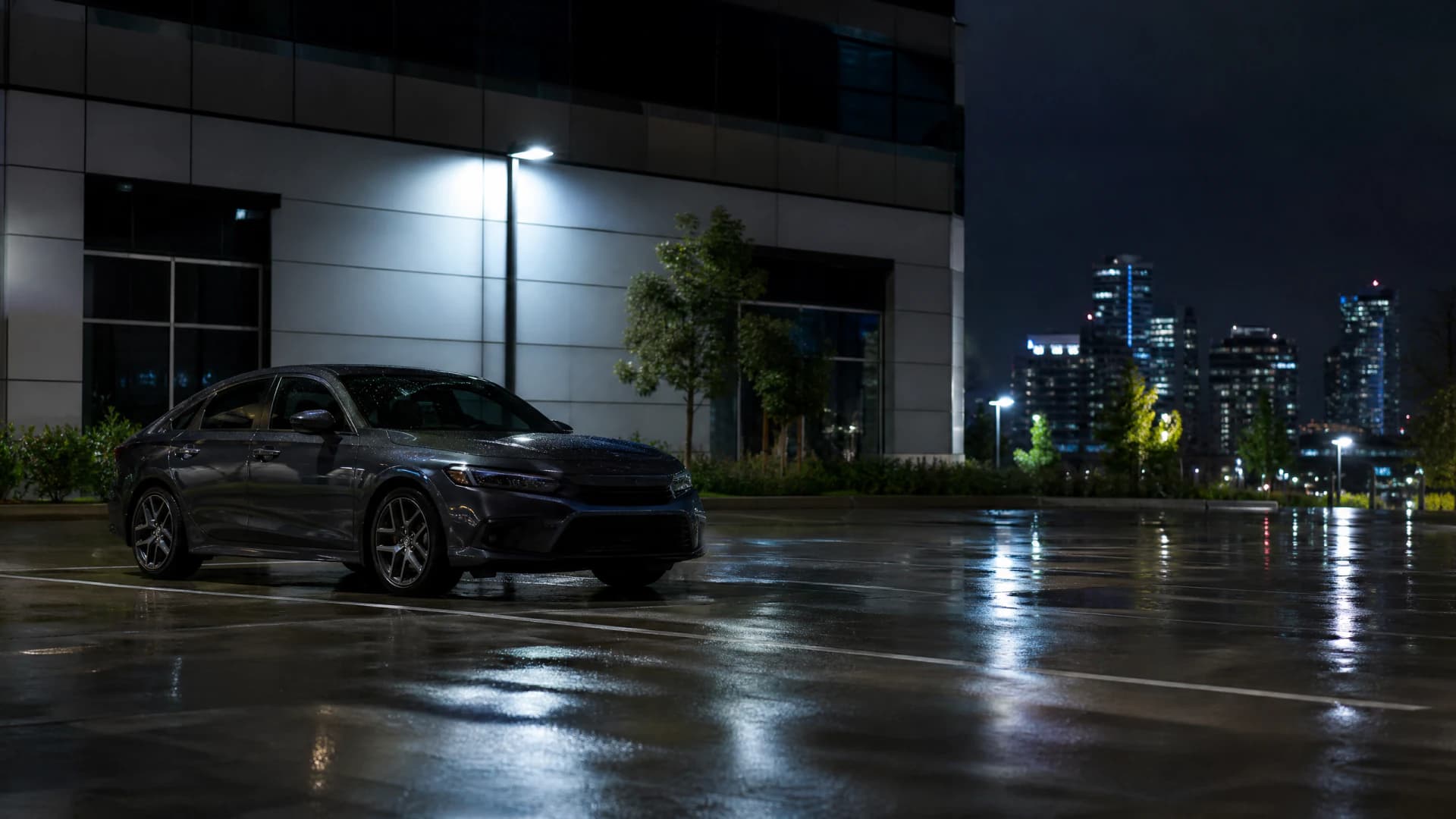
New Jersey's mandatory PIP and uninsured motorist requirements apply to every vehicle on the policy, and you cannot drop them to lower the premium.
Related Articles

Best Multi-Car Insurance Companies NJ
7/15/2026

Full-Coverage Carriers for Multiple Cars NJ
7/15/2026
Full Coverage Car Insurance in New Jersey
7/15/2026

Liability vs Full Coverage NJ Multi-Car
7/15/2026

Minimum vs Full Coverage for Multiple Cars NJ
7/15/2026
Best Minimum Coverage Carriers New Jersey
7/15/2026
How the Multi-Car Discount Works with Full Coverage
The multi-car discount applies to the entire policy when you insure two or more vehicles on the same policy with the same carrier. The discount lowers the total premium, but the size of the discount and the way it is calculated vary by carrier. Some carriers apply a percentage discount to each vehicle after the first; others reduce the base rate for the entire policy. The discount typically requires that all vehicles are garaged at the same address and titled to the same household members.
Full coverage costs more than liability-only because collision and comprehensive add significant premium on top of the state's mandatory coverages. The multi-car discount applies to the total policy premium, including collision and comprehensive, so the dollar savings from the discount are larger on a full-coverage policy than on a liability-only policy. A household insuring three vehicles with full coverage saves more in absolute dollars from the multi-car discount than a household insuring three vehicles with liability only, even if the percentage discount is the same.
When you add a vehicle to an existing multi-vehicle policy, the carrier re-rates the entire policy. The new vehicle's premium is not simply added to the old total; the multi-car discount recalculates across all vehicles. This can produce a smaller increase than you expect if the new vehicle is less expensive to insure than the existing ones, or a larger increase if the new vehicle is a high-value or high-risk model. The re-rating happens at the time you add the vehicle, not at renewal.
$35,000 / $70,000 / $25,000
New Jersey Liability Minimums
New Jersey requires $35,000 per person and $70,000 per accident in bodily injury liability, plus $25,000 in property damage liability. These are the lowest limits you can carry and still meet the state's registration requirements. Higher limits are available and recommended for households with significant assets.
New Jersey auto insurance state data
Structuring Full Coverage Across Multiple Vehicles
You do not have to carry the same coverage on every vehicle. On a multi-vehicle policy, you can structure collision and comprehensive coverage vehicle by vehicle based on each car's value, financing status, and how you use it. A financed or leased vehicle requires both collision and comprehensive because the lender mandates it. An owned-outright vehicle worth less than a few thousand dollars may not justify collision coverage at all — if the vehicle is totaled, the payout after the deductible may be less than a year's worth of collision premium.
Deductibles work the same way. You can choose a $500 deductible on the newer car and a $1,000 deductible on the older one, or drop collision entirely on a vehicle whose value does not support it. The multi-car discount applies to the policy as a whole, so adjusting coverage on one vehicle does not affect the discount structure. The only requirement is that every vehicle on the policy carries the state's mandatory liability, PIP, and uninsured motorist coverages — you cannot drop those to lower the premium.
Comparing Carriers for Your Household
The best carrier for a multi-vehicle household depends on the household's specific mix of vehicles, drivers, and coverage needs. A household with three financed vehicles and clean records will get the most competitive rates from preferred-tier carriers like State Farm, New Jersey Manufacturers, or Amica. A household with one violation or a lapse in coverage may find better rates with standard-tier carriers like Geico, Progressive, or Allstate. A household with multiple violations or a non-standard risk profile will need a non-standard carrier like Bristol West, National General, or Mercury General.
When you compare carriers, request quotes for the same coverage structure on every vehicle — the same liability limits, the same PIP and uninsured motorist limits, and the same collision and comprehensive deductibles. Carriers calculate the multi-car discount differently, and a lower per-vehicle rate does not always produce the lowest total policy premium. A carrier with a smaller discount on a lower base rate can beat a carrier with a larger discount on a higher base rate. The only way to know is to compare the total policy premium for the exact coverage you need across all vehicles.
Get Quotes from Multiple Carriers
You need quotes from at least three carriers to compare total policy premiums for your household's vehicles. Use the comparison tool to request quotes for the same coverage structure — the state's mandatory minimums plus collision and comprehensive on the vehicles that need them, with the deductibles you choose. The tool connects you to carriers that write multi-vehicle full-coverage policies in New Jersey, and you compare the total policy premium for the exact coverage your household requires.
Carriers That Write Multi-Vehicle Full Coverage in New Jersey
State Farm, Geico, Progressive, Allstate, and Travelers write the largest volume of multi-vehicle full-coverage policies in New Jersey. State Farm and Allstate operate through exclusive agents; Geico and Progressive sell direct online and by phone. Travelers writes through independent agents. All five write multi-vehicle policies with flexible coverage structures — you can add or remove collision and comprehensive on individual vehicles, adjust deductibles per vehicle, and structure the policy to fit the household's mix of financed, leased, and owned-outright cars.
Bristol West, National General, and Mercury General write non-standard and standard-tier multi-vehicle policies for households with violations, lapses, or non-standard risk profiles. All three write full coverage with the same collision, comprehensive, and state-mandated coverages as preferred-tier carriers, but they specialize in households that do not qualify for preferred rates. USAA writes multi-vehicle full coverage for military members, veterans, and their families only; eligibility is restricted but rates are typically lower than standard-tier carriers for the same coverage. New Jersey Manufacturers and Amica write preferred-tier multi-vehicle policies with higher underwriting standards and typically lower rates for households with clean records and strong credit.
Get Your Free Quote
Get My New Jersey Car Insurance QuoteFrequently Asked Questions
What does full coverage mean in New Jersey?
Full coverage in New Jersey means the state's mandatory $35,000/$70,000/$25,000 liability minimums, personal injury protection, uninsured motorist coverage, plus collision and comprehensive coverages that pay for damage to your own vehicles. Collision and comprehensive are optional under state law but required by lenders when you finance or lease a vehicle.
Do I need the same coverage on every vehicle on a multi-car policy?
No. You can structure collision and comprehensive coverage vehicle by vehicle based on each car's value and financing status. Every vehicle must carry the state's mandatory liability, PIP, and uninsured motorist coverages, but you can choose different deductibles or drop collision entirely on an older owned-outright vehicle.
How does the multi-car discount work with full coverage?
The multi-car discount applies to the total policy premium when you insure two or more vehicles on the same policy. The discount lowers the entire premium, including collision and comprehensive, so the dollar savings are larger on a full-coverage policy than on a liability-only policy. The discount typically requires all vehicles to be garaged at the same address.
Which carriers write multi-vehicle full coverage in New Jersey?
State Farm, Geico, Progressive, Allstate, Travelers, USAA, New Jersey Manufacturers, Amica, Bristol West, National General, Mercury General, and four others write multi-vehicle full-coverage policies in New Jersey. Preferred-tier carriers like State Farm and Amica write households with clean records; non-standard carriers like Bristol West write households with violations or lapses.
Can I drop collision coverage on an older car and keep the multi-car discount?
Yes. The multi-car discount applies to the policy as a whole, not to individual coverages. You can drop collision on an older vehicle whose value does not justify the premium and keep the discount on the remaining vehicles, as long as every vehicle carries the state's mandatory liability, PIP, and uninsured motorist coverages.