
Full Coverage Car Insurance — New Jersey
Free to compare
The Multi-Vehicle Coverage Decision
You own three cars. One is a 2022 sedan you're still financing, one is a 2015 SUV you own outright, and one is a 1998 pickup you use twice a month for hauling. Your lender requires full coverage on the financed sedan. The question is whether you need full coverage on the other two — and whether your policy forces you to cover all three vehicles the same way.
New Jersey law requires liability coverage of $35,000 per person and $70,000 per accident for bodily injury, $25,000 for property damage, plus personal injury protection and uninsured motorist coverage on every registered vehicle. That baseline applies to every car you own. Full coverage — the combination of those state-mandated coverages plus collision and comprehensive — is a choice you make vehicle by vehicle, not a single decision that applies to your entire household.
“A multi-car policy does not force uniform coverage — you decide collision and comprehensive vehicle by vehicle based on value and financing.”

Get More Than the New Jersey Minimum for Less
Get My New Jersey Car Insurance Quote$35,000 / $70,000 / $25,000
New Jersey Minimum Liability
New Jersey requires $35,000 bodily injury per person, $70,000 per accident, and $25,000 property damage on every registered vehicle. PIP and uninsured motorist coverage are also mandatory.
New Jersey Motor Vehicle Commission
What Full Coverage Actually Covers
Full coverage is not a product name. It is shorthand for a policy that includes collision and comprehensive coverage on top of the state-required liability, PIP, and uninsured motorist coverages. Collision pays to repair your vehicle after an accident with another car or object. Comprehensive pays for damage from theft, vandalism, weather, fire, or animal strikes.
The state-required coverages protect other people and pay your medical bills regardless of fault. Collision and comprehensive protect your vehicle. Whether you need them depends on the vehicle's value, your ability to replace it out of pocket, and whether a lender requires them.
On a multi-car policy, you can carry full coverage on one vehicle and minimum coverage on another. The policy does not force uniform coverage across every car. Your financed sedan carries full coverage because the lender requires it. Your older SUV and pickup can carry liability-only if their replacement value does not justify the collision and comprehensive premiums.
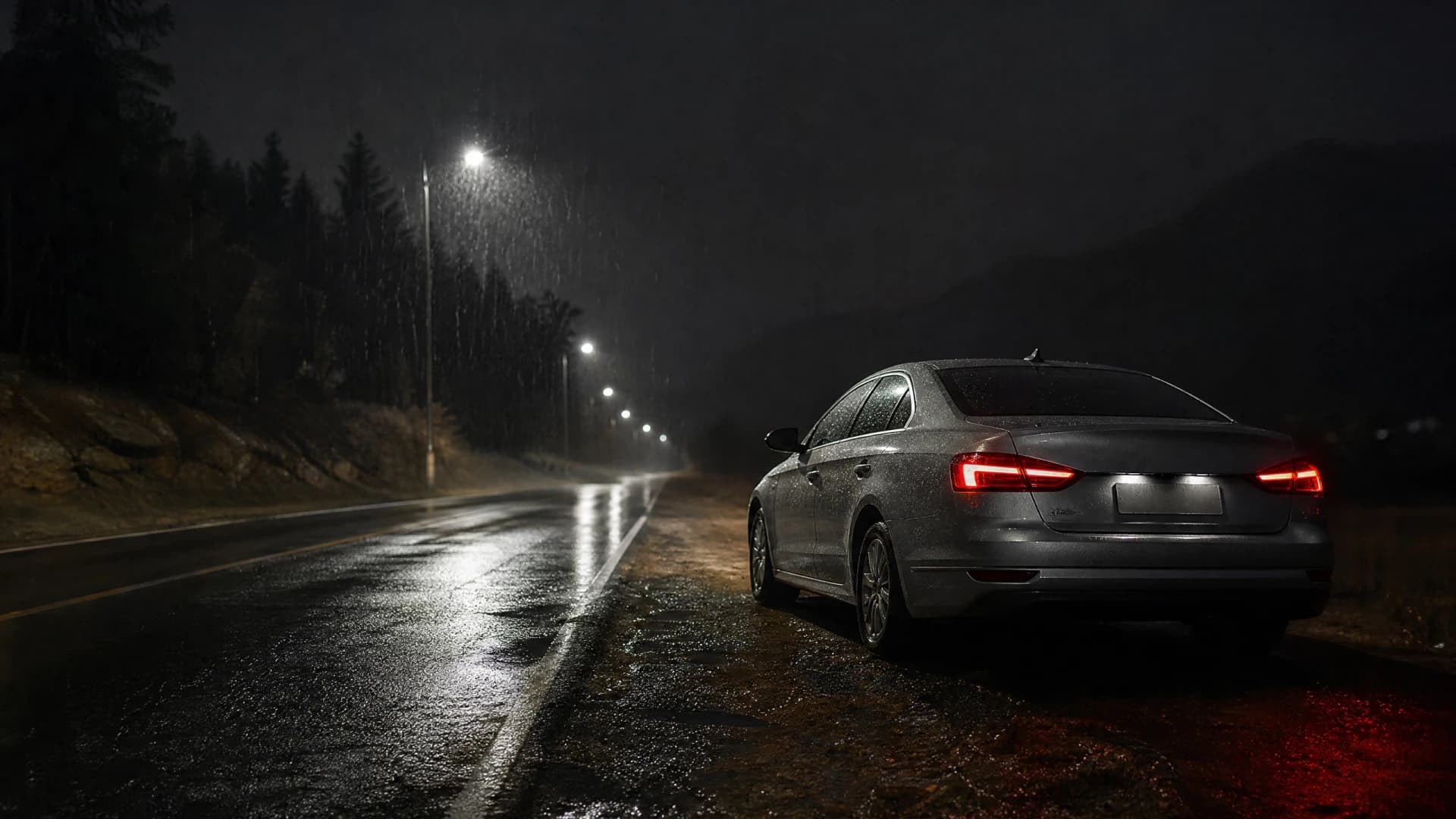
A multi-car policy does not require the same coverage on every vehicle — you decide collision and comprehensive vehicle by vehicle based on value and financing.
Related Articles





How Multi-Car Policies Handle Mixed Coverage
When you add a vehicle to an existing policy, the carrier asks which coverages you want on that specific vehicle. You are not locked into the coverage structure of the vehicles already on the policy. Your financed sedan carries full coverage. When you add the 2015 SUV, you can choose liability-only. When you add the 1998 pickup, you can choose liability-only again. The policy re-rates to reflect the new vehicle and its selected coverages, but it does not force you to match the sedan's coverage levels.
Some households assume that dropping collision and comprehensive on one vehicle will void the multi-car discount. That is not how the discount works. The multi-car discount applies when you insure multiple vehicles on the same policy, regardless of the coverage levels on each vehicle. You do not lose the discount by carrying liability-only on one car and full coverage on another.
The premium impact of adding a liability-only vehicle is lower than adding a full-coverage vehicle, but it still re-rates the entire policy. Carriers recalculate the base rate when the household vehicle count changes. The multi-car discount then applies to the new total. A third vehicle added with liability-only coverage will cost less than a third vehicle added with full coverage, but it will still increase the total premium compared to a two-vehicle policy.
14.1%
New Jersey Uninsured Motorist Rate
Approximately 14.1% of New Jersey motorists drive uninsured. Uninsured motorist coverage is mandatory in New Jersey and protects you when an at-fault driver has no insurance.
Insurance Research Council, 2023

Collision and Comprehensive as Separate Decisions
You can carry collision without comprehensive, or comprehensive without collision. They are separate coverages. Collision covers accidents with other vehicles or objects. Comprehensive covers non-collision events: theft, vandalism, hail, flooding, fire, and animal strikes. Most households that drop one drop collision first, because comprehensive premiums are lower and the risks it covers — especially theft and weather damage — do not depend on driving behavior.
If your older vehicle is garaged in an area with high vehicle theft rates, comprehensive coverage may be worth keeping even after you drop collision. New Jersey's vehicle theft rate is 164.6 per 100,000 population. If your vehicle is a theft target, comprehensive coverage pays the actual cash value of the vehicle if it is stolen and not recovered. If you drop comprehensive, you replace the vehicle out of pocket.
Compare Carriers for Multi-Vehicle Households
Carriers price multi-vehicle policies differently. Some offer larger multi-car discounts. Some price older vehicles more favorably when they carry liability-only coverage. The combination of base rate, multi-car discount, and per-vehicle pricing varies across the 17 carriers writing auto insurance in New Jersey. Comparing quotes from multiple carriers shows you which one prices your specific household vehicle mix most competitively.
When you request quotes, specify the coverage level you want on each vehicle. Do not assume you must carry the same coverage on every car. The quote will reflect the mixed-coverage structure you request. If one carrier's quote assumes full coverage on every vehicle and you only want it on one, ask them to re-quote with liability-only on the others. The premium difference will be substantial.
When Full Coverage Makes Sense
If you are financing or leasing a vehicle, the lender or lessor will require full coverage until the loan is paid off or the lease ends. You cannot drop collision or comprehensive without violating the financing agreement. If you own the vehicle outright, the decision is yours.
Between those thresholds, the decision depends on your household's financial position. If you can replace the vehicle without borrowing, liability-only coverage may make sense. If losing the vehicle would force you into an unplanned loan, full coverage protects that scenario. Deductibles also matter: a $500 deductible costs more per month than a $1,000 deductible, but a $1,000 deductible means you pay the first $1,000 of any collision or comprehensive claim out of pocket.
Get Your Free Quote
Get My New Jersey Car Insurance QuoteFrequently Asked Questions
Do I need full coverage on every car in my household?
No. Full coverage is required only on financed or leased vehicles. On vehicles you own outright, you decide whether to carry collision and comprehensive based on the vehicle's value and your ability to replace it out of pocket.
Will I lose my multi-car discount if I drop collision on one vehicle?
No. The multi-car discount applies when you insure multiple vehicles on the same policy, regardless of the coverage levels on each vehicle. You can carry full coverage on one car and liability-only on another without losing the discount.
Can I drop collision but keep comprehensive?
Yes. Collision and comprehensive are separate coverages. Many households drop collision on older vehicles but keep comprehensive to cover theft, vandalism, and weather damage, which cost less to insure than collision.
What is the minimum car insurance required in New Jersey?
New Jersey requires $35,000 per person and $70,000 per accident for bodily injury liability, $25,000 for property damage, plus personal injury protection and uninsured motorist coverage on every registered vehicle.
How does adding a liability-only vehicle affect my premium?
Adding any vehicle re-rates your entire policy, but a liability-only vehicle costs less to add than a full-coverage vehicle. The multi-car discount applies to the new total, and the premium increase is lower than if you added the vehicle with collision and comprehensive.