
Why Car Insurance Is So Expensive — New Jersey
Free to compare
The Mandatory Coverage Stack
You're managing insurance for two or more vehicles in New Jersey, and every renewal reminds you that your premium sits higher than what friends in neighboring states pay. The usual explanations—congested roads, expensive repairs, high theft rates—only tell part of the story. New Jersey's cost structure starts with a regulatory floor most states don't impose.
New Jersey requires three separate coverage layers on every registered vehicle: bodily injury liability ($35,000 per person, $70,000 per accident), property damage liability ($25,000), personal injury protection (PIP), and uninsured motorist coverage. You cannot register a vehicle without all four. Other states let drivers meet their legal obligation with liability alone; New Jersey builds PIP and uninsured-motorist protection into the baseline, and that baseline costs more before you add collision, comprehensive, or any optional coverage to protect your own vehicles.
“New Jersey mandates PIP and uninsured-motorist coverage on every policy, creating a regulatory floor most states don't impose.”

Get More Than the New Jersey Minimum for Less
Get My New Jersey Car Insurance Quote$35,000 / $70,000 / $25,000
New Jersey Liability Minimums
New Jersey requires $35,000 bodily injury per person, $70,000 per accident, and $25,000 property damage on every registered vehicle. These minimums sit higher than many neighboring states, but the mandatory PIP and uninsured-motorist layers add more to the floor than the liability limits alone.
New Jersey Motor Vehicle Commission
Personal Injury Protection Adds a Layer
Personal injury protection covers medical expenses, lost wages, and essential services for you and your passengers after an accident, regardless of fault. New Jersey mandates PIP on every policy. The coverage exists to reduce litigation—injured parties receive benefits from their own insurer without proving the other driver caused the crash. That no-fault structure keeps cases out of court, but it also means every driver pays for first-party medical coverage whether they want it or not.
PIP premiums vary by the level of coverage you select and your county. Urban counties with higher medical costs and more frequent claims produce higher PIP premiums than rural areas. When you insure multiple vehicles, each one carries its own PIP charge. A household with three cars pays PIP three times, and that layer alone can account for a substantial portion of the total premium before liability, collision, or comprehensive enter the calculation.
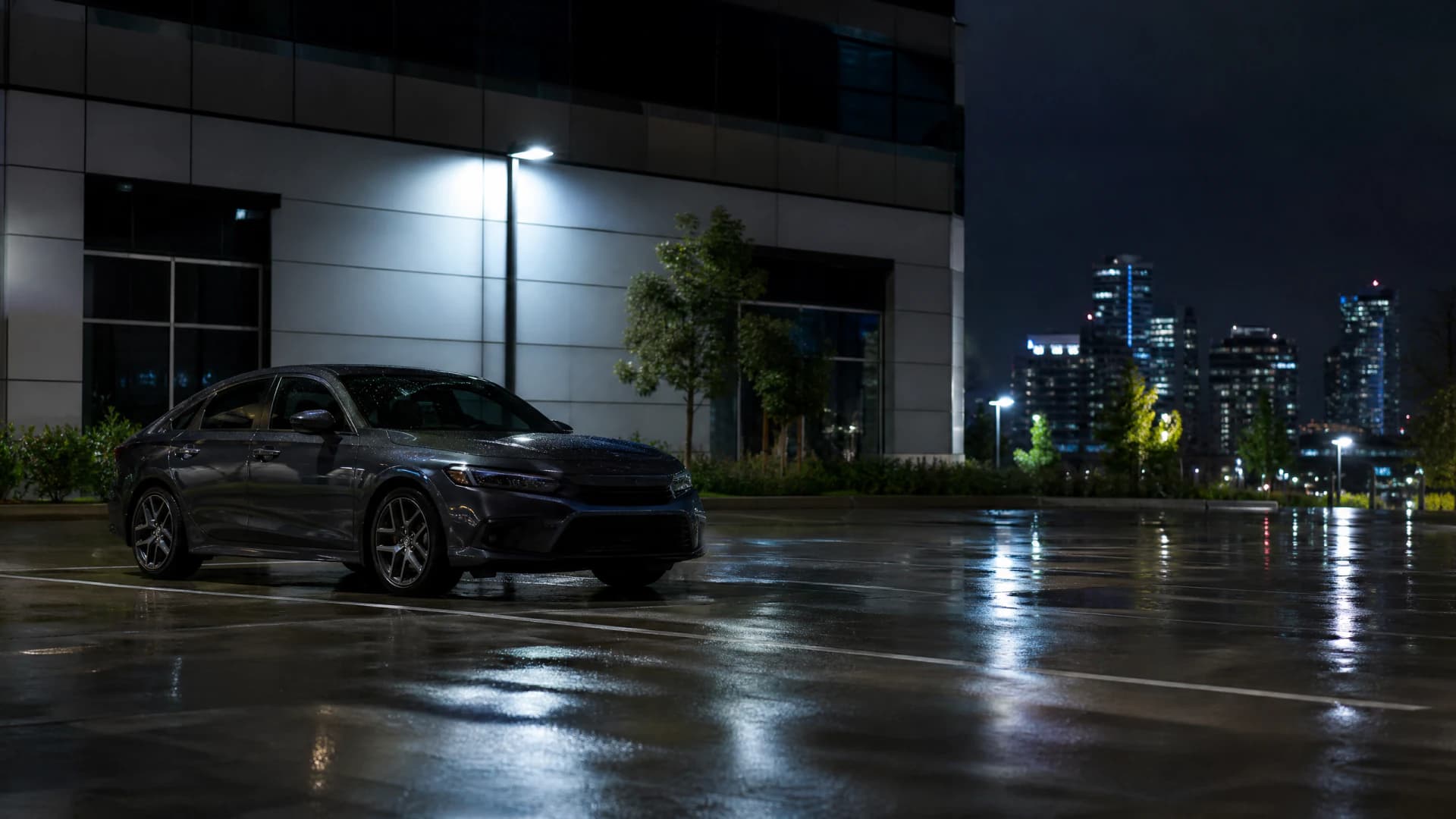
New Jersey is one of only two states that mandate both PIP and uninsured-motorist coverage on every policy, creating a regulatory floor other states don't impose.





High Traffic Density and Claim Frequency
New Jersey's population density produces more accidents per mile driven than most states. Licensed drivers in New Jersey traveled 75,288 million vehicle miles in 2022, concentrated in a state smaller than most. More vehicles in closer proximity mean more fender-benders, more comprehensive claims from parking-lot damage, and more frequent liability payouts. Carriers price policies to reflect claim frequency, and New Jersey's urban corridors generate claims at rates that push premiums higher.
When you insure multiple vehicles, each one sits in the same high-frequency environment. A household with three cars garaged in Newark faces different risk than the same household in a rural Montana county. Carriers adjust base rates by ZIP code, and New Jersey ZIP codes cluster in the higher tiers. The mandatory coverage stack compounds the density effect—you're paying for PIP, uninsured-motorist, and liability coverage in an environment where all three trigger more often than in lower-density states.
Vehicle theft adds another cost layer. New Jersey recorded 164.6 motor vehicle thefts per 100,000 population in 2024, well above the national median. Comprehensive coverage premiums reflect theft risk, and even if you carry only the mandatory coverages, the carrier's overall loss experience in the state influences the base rate you pay for liability, PIP, and uninsured-motorist protection. High theft rates raise costs across the board, not just for drivers who add comprehensive to their policies.
14.1%
Uninsured Motorist Rate
14.1% of New Jersey motorists drive without insurance, one of the highest uninsured-driver rates in the region. That rate directly influences the cost of mandatory uninsured-motorist coverage—carriers price the protection to cover the gap left by drivers who ignore the law.
Insurance Research Council, 2023

Where You Control Cost
You cannot eliminate the mandatory coverage stack, but you control several variables that influence how much you pay for it. Bundling multiple vehicles on one policy triggers a multi-car discount at most carriers. The discount applies to the entire premium, including the mandatory PIP and uninsured-motorist layers, not just liability or collision. Households insuring three or more vehicles see larger percentage reductions than two-car households, and the savings compound across every coverage layer.
Deductible selection matters when you add collision and comprehensive. A $1,000 deductible costs less than a $500 deductible, and the difference shows up in every vehicle's premium. Dropping collision and comprehensive on older vehicles eliminates those premiums entirely while keeping the mandatory coverages in place. A ten-year-old car with a market value below the annual collision premium often makes more sense to self-insure for physical damage, leaving only the state-required liability, PIP, and uninsured-motorist coverage on that vehicle.
Compare Carriers That Write Your Household
Carriers writing New Jersey policies include Allstate, Farmers, Geico, Liberty Mutual, Mercury General, National General, New Jersey Manufacturers, Progressive, Root, State Farm, and Travelers. Each prices the mandatory coverage stack differently, and the gap between the highest and lowest quote for the same household can exceed the cost of one vehicle's annual premium. Multi-car households benefit most from comparison because the discount structure varies—some carriers apply a flat percentage per vehicle, others tier the discount by vehicle count, and a few adjust the discount based on the combined liability limits across all cars.
When you compare quotes, request identical coverage limits and deductibles from every carrier. The mandatory PIP and uninsured-motorist layers must appear on every quote, but the level of PIP coverage and the uninsured-motorist limits can vary if you selected options above the state minimum. Standardizing those variables isolates the carrier's base rate and discount structure, showing you where the real cost difference lives. A lower base rate with a smaller multi-car discount can beat a higher base rate with a larger discount, and the only way to know is to compare the final premium across all vehicles.
Uninsured Motorist Coverage Closes the Gap
Uninsured motorist bodily injury coverage pays your medical expenses and lost wages when an uninsured driver causes a crash. Underinsured motorist coverage steps in when the at-fault driver's liability limits fall short of your damages. New Jersey law mandates both on every policy unless you explicitly reject them in writing. Most drivers keep the coverage because the rejection process requires a signed waiver, and the protection fills a real gap—14.1% of New Jersey motorists drive uninsured, one of the highest rates in the region.
When you insure multiple vehicles, uninsured and underinsured motorist coverage applies per policy, not per vehicle. The premium reflects your household's total exposure across all cars. Urban counties with higher uninsured-driver rates produce higher uninsured-motorist premiums than counties where compliance runs stronger. The coverage adds another layer to the mandatory stack, and that layer costs more in New Jersey than in states where uninsured-motorist protection remains optional.
Get Your Free Quote
Get My New Jersey Car Insurance QuoteFrequently Asked Questions
Why does New Jersey require PIP and uninsured motorist coverage?
New Jersey operates as a no-fault state, meaning your own insurer pays your medical expenses and lost wages after an accident regardless of who caused it. PIP provides that first-party medical coverage. Uninsured motorist coverage protects you when the at-fault driver carries no insurance, a situation that affects 14.1% of crashes in New Jersey. Both coverages are mandatory to reduce litigation and close coverage gaps.
Can I reject uninsured motorist coverage in New Jersey?
Yes, but only by signing a written rejection form provided by your carrier. Most drivers keep the coverage because the rejection process requires explicit documentation, and the protection fills a real gap in a state where more than one in seven motorists drives uninsured. If you reject it, you lose the protection entirely—there is no partial option.
Does the multi-car discount apply to PIP and uninsured motorist coverage?
Yes. The multi-car discount applies to your total premium, including the mandatory PIP and uninsured-motorist layers, not just liability or collision. Households insuring three or more vehicles see larger percentage reductions than two-car households, and the savings compound across every coverage layer on the policy.
How does New Jersey's uninsured motorist rate compare to other states?
New Jersey's 14.1% uninsured-motorist rate sits well above the national average and ranks among the highest in the region. That rate directly influences the cost of mandatory uninsured-motorist coverage—carriers price the protection to cover the gap left by drivers who ignore the law, and higher uninsured rates produce higher premiums for compliant drivers.
Can I drop collision and comprehensive but keep the mandatory coverages?
Yes. Collision and comprehensive are optional in New Jersey. You can drop both on older vehicles with low market value while keeping the state-required liability, PIP, and uninsured-motorist coverage in place. This strategy reduces premium on vehicles where the annual collision cost exceeds the car's value, while maintaining full legal compliance.
Do all carriers price the mandatory coverage stack the same way?
No. Carriers writing New Jersey policies price the mandatory liability, PIP, and uninsured-motorist layers differently, and the gap between the highest and lowest quote for the same household can be substantial. Multi-car households benefit most from comparison because discount structures vary—some apply a flat percentage per vehicle, others tier by vehicle count, and a few adjust based on combined liability limits.